
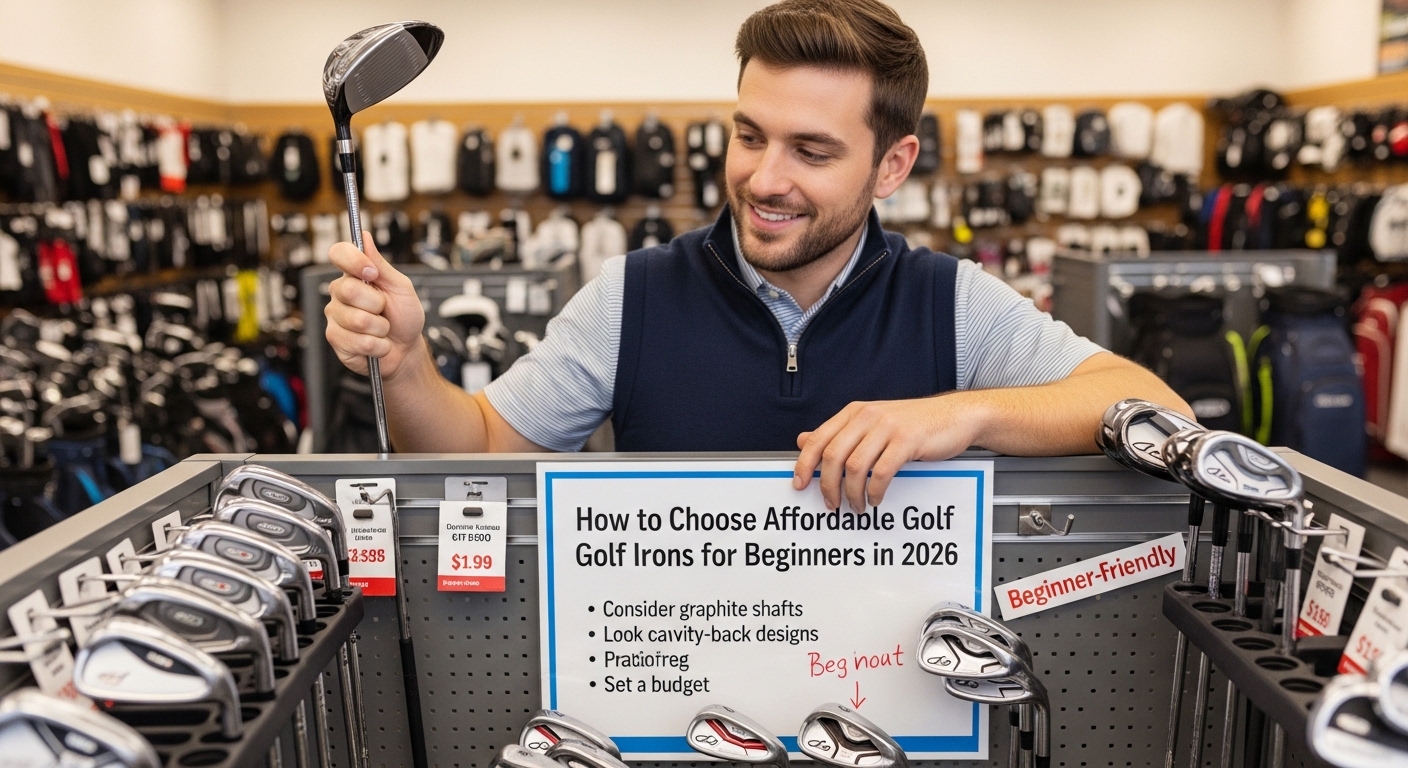
Getting into golf can seem pricey, especially when it comes to picking the right irons. Many beginners are overwhelmed by choices and costs. But don’t worry—finding budget-friendly golf irons doesn’t mean you have to sacrifice quality or enjoyment. This guide offers practical tips and clear answers to help you navigate the market and confidently choose affordable golf irons that match your game. If you want to know how to choose affordable golf irons as a beginner in 2026, focus on key factors: club type, forgiveness, shaft material, price range, and brand reputation. This ensures you get value without overspending. Read on for in-depth questions, comparisons, and expert advice!
What makes golf irons affordable yet suitable for beginners?
Affordable golf irons for beginners combine budget-friendly pricing with features that help new players learn and improve. They focus on forgiveness, durability, and simple playability instead of luxury materials or advanced tech found in premium clubs.
The best affordable irons have perimeter weighting, cavity backs for forgiveness, and durable steel shafts. These features help beginners make consistent contact, reduce mis-hits, and enjoy the process without breaking the bank. Price doesn’t always equal performance for new golfers; you need clubs that make learning easier and more fun.
How should beginners determine their ideal budget for golf irons?
Set a realistic budget based on your commitment and expected progression in golf. For most newcomers, a set priced between $250 and $600 provides quality options without risking overspending on unnecessary features.
Factor in your frequency of play and whether you plan to upgrade soon. If you play weekly or hope to improve quickly, lean toward the higher end of the range for durability. Remember, you’ll also need money for lessons, balls, and green fees, so avoid blowing your total golf budget just on irons. Research prices online, look for last-years’ models, and shop end-of-season sales for the best value.
Which club features should beginners prioritize when choosing irons?
Prioritize forgiveness, cavity-back head design, and lightweight shafts. These features improve playability, help correct swing mistakes, and support consistent ball striking for newer golfers.
- Forgiveness: A larger sweet spot reduces poor shots.
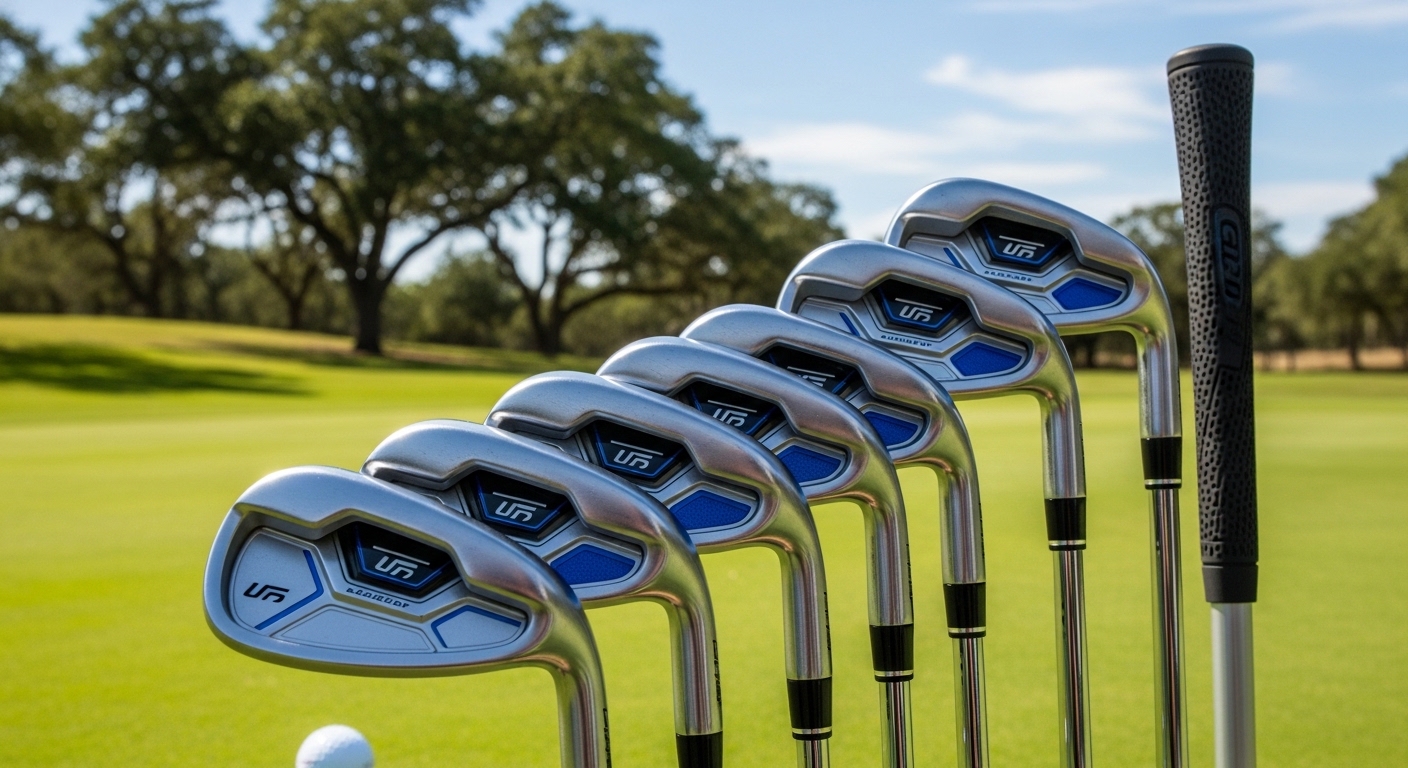
- Cavity-back design: Redistributes weight to the perimeter for more stability.
- Lightweight, regular-flex shafts: Easier to swing and control, ideal for slower swing speeds.
Other desirable features include wider soles to help with turf interaction, and durable materials so your clubs last as your skills grow. Advanced technologies (like adjustable weights) can wait until you’re more experienced.
Are certain brands or models better for affordable beginner golf irons?
Yes, some brands are renowned for offering dependable and wallet-friendly beginner irons, often updating previous successful models to keep costs low while maintaining quality.
Companies like Callaway, Wilson, Cleveland, Cobra, and Tour Edge consistently release beginner-friendly sets at reasonable prices. These brands focus on reliability, proven engineering, and forgiving designs. While premium brands like Titleist and TaylorMade are excellent, their entry models are rarely as affordable as the “game improvement” lines from the brands listed above.

How does shaft material impact both price and performance for beginners?
Shaft material primarily affects cost, weight, and swing feel. Steel shafts are typically cheaper, slightly heavier, and promote control, whereas graphite is more expensive but lighter and easier on the arms.
Most beginners do well with steel shafts because they’re affordable, offer durability, and provide decent feedback on mishits. Graphite may be better for those with slower swing speeds, physical limitations, or seniors but comes at a higher price point. For most newbies on a budget, steel shafts are the smart, affordable choice.
What’s the difference between buying new, used, or older model golf irons?
New irons provide the latest design and technology but cost the most. Used and older models allow you to access reputable brands and forgiving designs for a fraction of the price, often with minimal performance loss.
- New: Highest price, guaranteed condition, full warranty.
- Used: Substantial savings, check carefully for wear, no warranty.
- Older Models: Choose last year’s versions for great deals with modern features.
If budget is tight, consider certified pre-owned clubs from trusted golf retailers. Look for minimal head and shaft damage, and always confirm the set makeup. Last year’s models—new or lightly used—can be unbeatable bargains.
How can you compare top affordable beginner iron sets in 2026?
To compare beginner iron sets, look at price, forgiveness rating, included clubs, and overall value. Use side-by-side specifications for a clear assessment.
| Iron Set | Average Price | Forgiveness | Shaft Type | Set Makeup |
|---|---|---|---|---|
| Wilson Staff D9 | $450 | High | Steel/Graphite | 5-PW, GW |
| Cleveland Launcher XL | $525 | Very High | Steel/Graphite | 4-PW |
| Cobra Fly-XL | $500 | High | Steel/Graphite | 5-SW |
| Tour Edge Hot Launch E523 | $400 | High | Steel | 5-PW, SW |
What common mistakes should beginners avoid when shopping for affordable irons?
Don’t assume expensive equals better or that you need the latest tech. Avoid choosing irons too advanced (players’ clubs), ignoring fit, or buying incomplete sets that lack essential irons.
- Resist impulse buys based on looks alone.
- Don’t skip demoing or trying clubs if possible.
- Avoid clubs with extra-stiff shafts or minimal forgiveness.
- Make sure your chosen set covers at least 5-9 irons, pitching wedge, and sand wedge.
Taking the time to seek advice, research, and test before purchasing leads to longer-lasting satisfaction and better progress on the course.
How can you get the best deals on beginner golf irons in 2026?
Shop during off-season sales, consider last year’s models, buy in-store demo sets, or explore certified pre-owned options online and in pro shops for the biggest savings.
Sign up for email alerts from major golf retailers, check clearance sections, and join local golf forums where members sell lightly used clubs. Comparison shop, don’t rush, and always read return and warranty policies carefully to ensure peace of mind alongside your savings.

Should you get a full set of irons or start with a partial set?
A partial set covering the most-used irons (6 through PW, possibly GW/SW) is usually enough for beginners. Full sets offer more options, but you may not need them right away.
Build your set around the clubs you’ll use on most holes. As your skills and interest grow, add more specialty irons. This phased approach keeps costs down while meeting your early needs.

Conclusion: What’s the smartest way to choose affordable beginner golf irons in 2026?
Choosing affordable beginner irons in 2026 means focusing on forgiveness, reputable brands, and smart shopping. Avoid falling for the “newest is best” trap—instead, prioritize features that make learning enjoyable and save your money for other parts of your golf journey. Start with a solid, basic set, and upgrade as you grow. With research, comparison, and patience, you’ll find clubs that support your improvement and keep you excited about each round. Ready to make your choice? Compare sets, look for deals, and take the next step to enjoying golf!
Frequently Asked Questions about How to Choose Affordable Golf Irons for Beginners
What is the most important feature in beginner golf irons?
The most critical feature is forgiveness—a design that reduces the impact of off-center hits. Look for cavity-back and perimeter-weighted iron sets for the best results as a beginner.
Can I find trusted brands at affordable prices?
Yes. Brands like Wilson, Cleveland, Cobra, and Tour Edge consistently deliver dependable, beginner-focused golf irons at price points well below premium models. Just focus on their “game-improvement” ranges.
Are new golf irons always better for beginners than used ones?
No. Gently used or older models often perform just as well as new, especially for beginners. As long as they’re in good condition and fit your needs, used irons are a great way to save money.
How many irons should a beginner start with?
Most experts recommend starting with a partial set of 5–7 irons, typically ranging from 6-iron to pitching wedge, sometimes including a sand wedge or gap wedge for versatility.
Are graphite shafts worth the extra cost for beginners?
Only if you have slow swing speeds or physical limitations, as graphite is lighter and easier on the body. Otherwise, steel shafts are more affordable and durable for most new golfers.
Should I buy a full matching set or mix brands to save money?
Matching sets ensure consistent feel and performance. Mixing brands can introduce inconsistencies, but it’s acceptable if you’re budget-conscious and choose similar forgiveness features.
Where can I try beginner irons before buying?
You can try beginner golf irons at most pro shops, large sports retailers, demo days at local courses, or indoor golf simulator facilities. Many also offer fitting sessions at a low cost or even free.
Read More Also: Roofing Near Me on Why Flashing Failure Causes Most Roof Leaks
Learn More: Six Common Questions asked by Crochet Beginners




Leave a Reply