
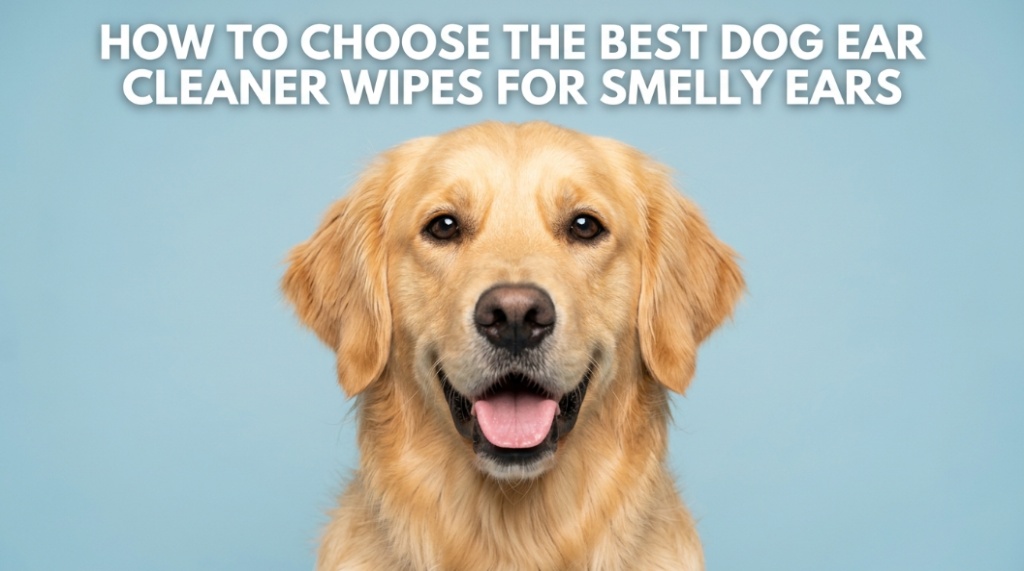
Most dog owners notice bad ear odor long before they notice an ear infection, yet many still clean their dog’s ears with random tissues, harsh alcohol products, or leftover grooming wipes. The fastest way to reduce odor, wax buildup, and itchy ears is using the right dog ear wipes for odor designed specifically for canine ear hygiene. Smelly ears are often caused by trapped moisture, yeast overgrowth, wax accumulation, bacteria, allergies, or poor cleaning habits. Choosing safe, vet-approved pet ear cleaning wipes can help prevent irritation, reduce foul smells, and improve your dog’s overall ear health before minor issues become expensive veterinary problems.
Why Do Dogs Develop Smelly Ears?
Dogs develop smelly ears because moisture, wax, debris, yeast, and bacteria build up inside the ear canal. Breeds with floppy ears, allergies, or heavy hair growth are especially prone to odor and infections.
A healthy dog ear should smell neutral and look light pink. Strong odor usually signals an imbalance inside the ear canal. According to veterinary research, ear infections are among the most common reasons dogs visit veterinarians, especially breeds like Cocker Spaniels, Basset Hounds, Labradors, and Golden Retrievers.
Several factors contribute to ear odor:
- Excess wax buildup
- Moisture after bathing or swimming
- Yeast overgrowth
- Bacterial infections
- Food or environmental allergies
- Poor grooming routines
- Ear mites or debris accumulation
If left untreated, smelly ears can progress into painful infections requiring prescription medication or professional cleaning.
What Are Dog Ear Wipes and How Do They Work?
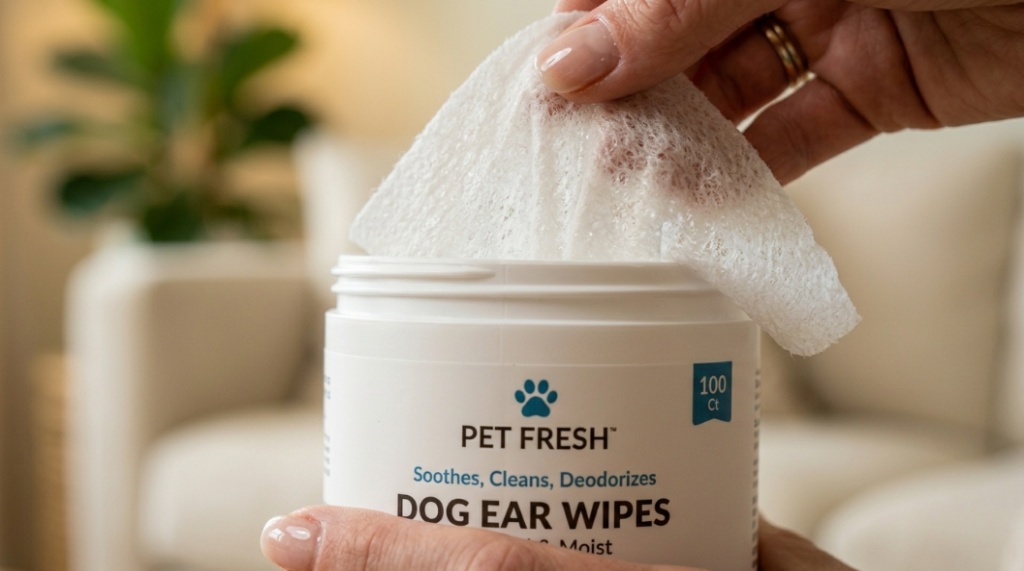
Dog ear wipes are pre-moistened cleaning pads formulated to remove wax, dirt, oils, and odor-causing debris from a dog’s ears safely. They help maintain ear hygiene without damaging sensitive ear tissue.
Unlike cotton swabs, which can push debris deeper into the ear canal, ear wipes clean the outer ear folds and accessible areas safely. Most quality wipes contain ingredients designed to:
- Dissolve wax buildup
- Reduce odor-causing bacteria
- Balance moisture levels
- Soothe itching and irritation
- Support healthy ear pH
Regular use of pet ear cleaning wipes can reduce infection risk and improve comfort, especially for dogs with chronic ear problems.
How Do You Choose the Best Dog Ear Wipes for Odor?
The best dog ear wipes for odor contain gentle cleansing ingredients, deodorizing agents, soothing compounds, and alcohol-free formulas safe for regular use.
Not all ear wipes are created equally. Some focus on odor removal while others target wax, itching, or infection prevention. Reading the ingredient list matters more than flashy packaging.
What Ingredients Should You Look For?
Effective dog ear wipes usually contain antibacterial, antifungal, soothing, and deodorizing ingredients.
| Ingredient | Purpose | Why It Matters |
|---|---|---|
| Aloe Vera | Soothing | Reduces irritation and redness |
| Witch Hazel | Cleaning | Helps remove oils and debris |
| Chlorhexidine | Antibacterial | Targets bacteria causing odor |
| Salicylic Acid | Wax removal | Breaks down buildup safely |
| Tea Tree Oil (low concentration) | Deodorizing | Helps neutralize smell |
| Coconut Oil | Moisturizing | Prevents dryness and itching |
Which Ingredients Should You Avoid?
Avoid wipes containing harsh alcohol, strong artificial fragrances, hydrogen peroxide, or excessive essential oils because they may irritate sensitive ears.
Some cheap wipes mask odor temporarily instead of addressing the root cause. Strong fragrance can worsen irritation in dogs with allergies or inflamed skin.
Are Dog Ear Wipes Better Than Liquid Ear Cleaners?
Dog ear wipes are better for routine maintenance, while liquid ear cleaners are more effective for deep cleaning or active infections.
Each option serves a different purpose.
| Feature | Ear Wipes | Liquid Ear Cleaners |
|---|---|---|
| Daily maintenance | Excellent | Moderate |
| Deep canal cleaning | Limited | Excellent |
| Ease of use | Very easy | Moderate |
| Travel convenience | High | Low |
| Mess level | Low | Higher |
| Suitable for nervous dogs | Better | Sometimes difficult |
For most dogs, wipes work best as part of a preventative cleaning routine between deeper cleanings.
How Often Should You Use Pet Ear Cleaning Wipes?
Most dogs benefit from ear cleaning once or twice weekly, while dogs prone to infections may need more frequent cleaning.
Cleaning frequency depends on breed, lifestyle, and ear condition.
- Swimming dogs: 2–3 times weekly
- Floppy-eared breeds: 2 times weekly
- Dogs with allergies: As recommended by a veterinarian
- Short-haired breeds with healthy ears: Weekly or biweekly
- Dogs with active infections: Follow veterinary guidance
Over-cleaning can also irritate ears. If ears appear red, swollen, painful, or produce discharge, veterinary evaluation is necessary.
Which Dog Breeds Need Ear Cleaning Most Often?
Dogs with floppy ears, hairy ear canals, or frequent moisture exposure need more regular ear cleaning.
Certain breeds naturally trap moisture and debris inside their ears.
High-Risk Breeds for Ear Odor and Infections
- Cocker Spaniels
- Basset Hounds
- Labrador Retrievers
- Golden Retrievers
- Poodles
- Shih Tzus
- Beagles
- Bulldogs
Floppy ears reduce airflow, creating an ideal environment for yeast and bacteria growth.
What Signs Mean Your Dog Needs Ear Cleaning?
Dogs needing ear cleaning often show odor, scratching, head shaking, redness, wax buildup, or dark debris.
Many owners ignore early symptoms until infection develops. Recognizing warning signs early can prevent discomfort and costly treatment.
Common Symptoms of Dirty Dog Ears
- Strong corn chip or yeast smell
- Frequent head shaking
- Scratching ears constantly
- Brown or yellow wax buildup
- Red or inflamed skin
- Sensitivity when touched
- Wet discharge
- Crusty ear edges
If symptoms persist despite cleaning, veterinary examination is essential.
Can Ear Wipes Prevent Ear Infections in Dogs?
Regular use of quality dog ear wipes can help reduce the risk of ear infections by removing wax, moisture, and bacteria before problems develop.
Prevention is significantly easier and cheaper than treatment. Veterinary treatment for recurring ear infections may involve:
- Prescription antibiotics
- Antifungal medication
- Sedated ear flushing
- Allergy management
- Long-term maintenance care
Routine hygiene lowers the chances of chronic inflammation and microbial overgrowth.
How Do You Properly Clean a Dog’s Ears With Wipes?
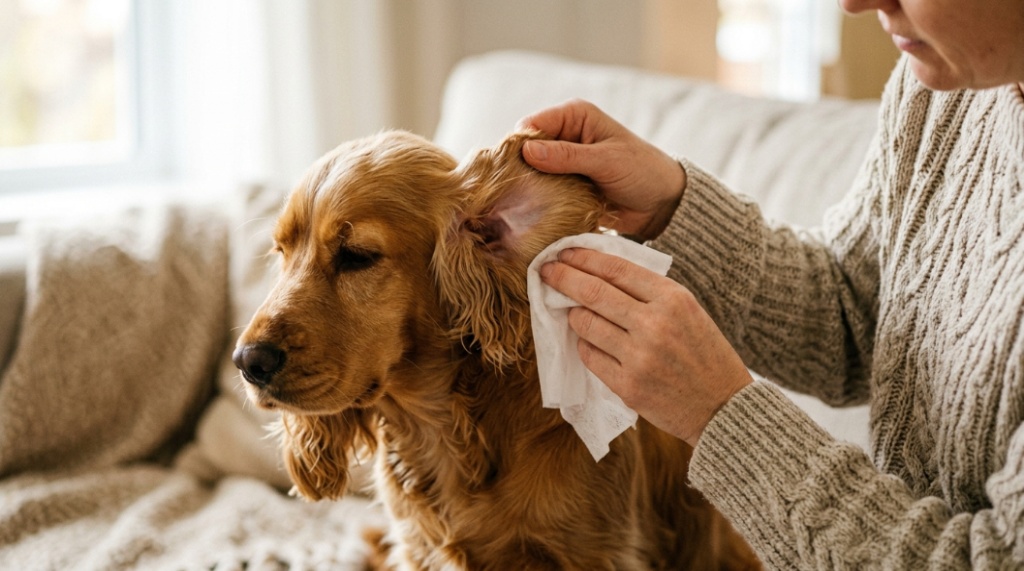
To clean dog ears safely, gently wipe the outer ear folds and accessible areas without pushing debris deeper into the ear canal.
Step-by-Step Ear Cleaning Process
- Wash your hands.
- Keep your dog calm and relaxed.
- Lift the ear flap gently.
- Use one clean wipe per ear.
- Wipe visible wax and debris carefully.
- Never insert fingers deeply into the canal.
- Reward your dog after cleaning.
Dogs usually tolerate wipes better than liquid flushes because the process feels less invasive.
What Makes Some Dog Ear Wipes Better for Sensitive Skin?
Wipes for sensitive skin contain hypoallergenic ingredients, fragrance-free formulas, and soothing compounds that minimize irritation.
Dogs with allergies or chronic inflammation need gentler products. Look for:
- Alcohol-free formulas
- Paraben-free ingredients
- Fragrance-free options
- Veterinarian-tested products
- pH-balanced formulations
Harsh ingredients can damage the skin barrier inside the ear and worsen itching.
Do Natural Dog Ear Wipes Actually Work?
Natural dog ear wipes can work well for mild odor and routine maintenance when they contain effective cleansing and antimicrobial ingredients.
Natural formulas often use ingredients like:
- Coconut oil
- Aloe vera
- Witch hazel
- Chamomile
- Cucumber extract
- Apple cider vinegar
However, severe infections usually require stronger veterinary-grade treatment.
Are Fragranced Ear Wipes Safe for Dogs?
Mild natural fragrance may be safe, but heavily perfumed wipes can irritate sensitive ears and mask underlying problems.
Strong fragrance does not equal better cleaning. Some manufacturers overload wipes with perfume to hide poor formulation quality.
Safer choices include lightly scented or fragrance-free products designed specifically for canine use.
What Mistakes Should You Avoid When Cleaning Dog Ears?
Common ear cleaning mistakes include using human products, inserting cotton swabs deeply, over-cleaning, and ignoring infection symptoms.
Biggest Ear Cleaning Errors
- Using baby wipes or makeup wipes
- Cleaning too aggressively
- Ignoring persistent odor
- Using alcohol-heavy cleaners
- Sharing wipes between ears
- Cleaning infected ears without veterinary advice
Human skin products are not designed for canine ear anatomy or pH balance.
Can Diet Affect Dog Ear Odor?
Yes, food allergies and poor diet quality can contribute to chronic ear inflammation and odor in dogs.
Many dogs with recurring ear problems suffer from underlying allergies. Common triggers include:
- Chicken
- Dairy
- Wheat
- Soy
- Artificial additives
Omega-3 fatty acids, balanced nutrition, and allergy management often improve skin and ear health.
What Should You Do if Ear Wipes Do Not Remove the Odor?
If odor persists after regular cleaning, your dog may have an infection, ear mites, allergies, or deeper medical issues requiring veterinary care.
Serious symptoms include:
- Bleeding
- Thick discharge
- Severe redness
- Pain when touched
- Balance issues
- Constant scratching
Chronic ear infections can damage hearing and become increasingly difficult to treat if ignored.
Are Vet-Approved Dog Ear Wipes Worth It?
Vet-approved ear wipes usually provide safer ingredients, better antimicrobial support, and more reliable performance than generic low-cost alternatives.
Cheap products may contain:
- Weak cleaning agents
- Low-quality preservatives
- Irritating fragrances
- Poor moisture balance
Trusted veterinary brands often invest more heavily in formulation testing and safety standards.
Conclusion: How Can You Keep Your Dog’s Ears Healthy Long-Term?
Healthy dog ears require consistent maintenance, proper cleaning habits, and early attention to odor or irritation. Choosing effective dog ear wipes for odor helps remove wax, moisture, and debris before infections develop. High-quality pet ear cleaning wipes can reduce scratching, improve comfort, and support long-term ear hygiene when used correctly.
The best approach combines routine ear care, balanced nutrition, regular grooming, and veterinary guidance when symptoms appear abnormal. Avoid harsh chemicals, clean gently, and monitor changes in smell, wax, or behavior closely.
Small preventative steps today can help your dog avoid painful infections and expensive treatments later. If your dog struggles with recurring odor, itching, or discharge, consult a veterinarian to identify underlying causes early.
Consistent ear care is one of the simplest ways to improve your dog’s comfort, health, and quality of life.
Frequently Asked Questions About Dog Ear Wipes for Odor
Are dog ear wipes safe for puppies?
Yes, most gentle alcohol-free dog ear wipes are safe for puppies when used according to label instructions. Choose products specifically formulated for young or sensitive dogs.
Can I use baby wipes to clean my dog’s ears?
No, baby wipes are not designed for canine ears and may disrupt skin pH balance or cause irritation. Always use dedicated pet ear cleaning wipes.
How long does it take for ear wipes to remove odor?
Mild odor may improve after one or two cleanings, while chronic odor related to infection or allergies may require veterinary treatment.
Should dog ears smell at all?
Healthy dog ears should have little to no odor. Strong yeast-like or foul smells often indicate buildup or infection.
Can ear wipes treat ear infections?
Ear wipes help with maintenance and prevention but usually cannot fully treat active bacterial or yeast infections without veterinary medication.
What color ear wax is normal for dogs?
Light brown wax in small amounts is generally normal. Thick black, yellow, green, or excessive discharge may indicate infection.
How can I prevent recurring ear odor in dogs?
Regular ear cleaning, proper drying after swimming, allergy management, balanced nutrition, and routine grooming help reduce recurring odor problems.




Leave a Reply