
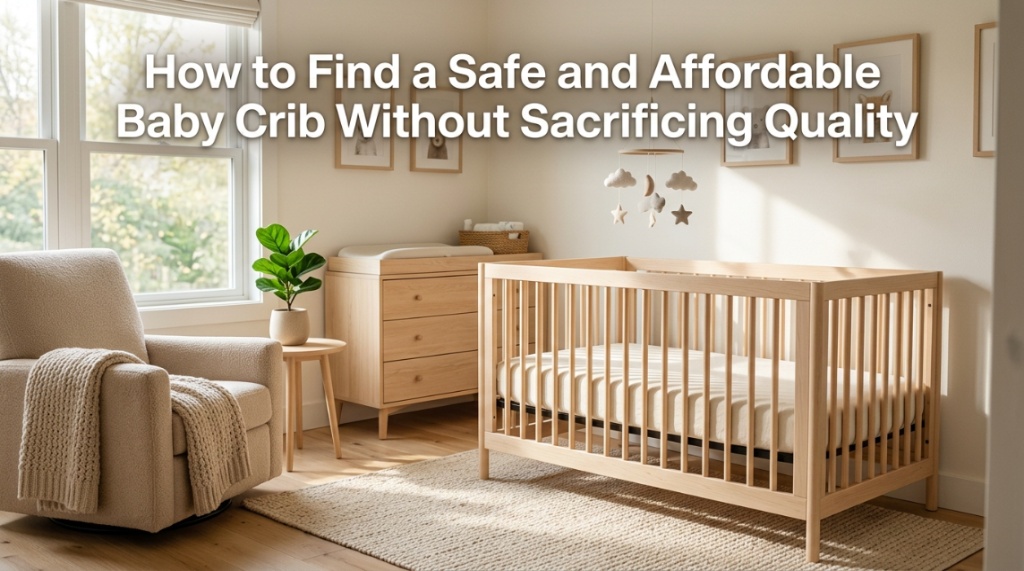
Some parents spend more time researching a baby crib than buying their first car—and for good reason. A crib is where your baby may spend up to 12–16 hours a day during infancy, making safety non-negotiable. The good news is that finding a safe and affordable baby crib does not require purchasing the most expensive model on the market. The best approach is to focus on certified safety standards, durable construction, and practical features rather than premium branding. If you’re searching for quality, cheap cribs or comparing options within the growing market of budget nursery furniture, you can find excellent choices that protect your baby while keeping your finances intact.
Many new parents assume higher prices automatically mean better quality. Unfortunately, that’s not always true. Marketing features, luxury finishes, and designer labels can significantly increase costs without improving safety. Meanwhile, several budget-friendly cribs meet the same federal safety requirements as premium alternatives. Understanding what matters—and what doesn’t—can save hundreds of dollars while ensuring your baby sleeps safely.
This guide explains how to evaluate crib safety, compare affordable options, avoid costly mistakes, and identify the features that truly provide value. Whether you’re furnishing a nursery for the first child or updating an existing setup, you’ll learn exactly how to balance quality, safety, and affordability.
What Is the Best Way to Find a Safe and Affordable Baby Crib?
The best way to find a safe and affordable baby crib is to prioritize certified safety standards first, then compare construction quality, mattress compatibility, and long-term functionality within your budget.
Every crib sold in the United States must comply with safety regulations established by the Consumer Product Safety Commission (CPSC). This means many affordable cribs offer the same core safety protections as expensive models.
Before shopping, establish a realistic budget and focus on value rather than price alone. Many parents discover that convertible cribs, durable materials, and adjustable mattress heights provide greater long-term savings than purchasing multiple sleep products over time.
Parents who are still evaluating nursery essentials may also benefit from learning how babywearing supports mobility and convenience through this guide on choosing the right baby sling for active parents, helping create a more practical nursery setup overall.
- Check safety certifications first
- Compare construction materials
- Review mattress compatibility
- Evaluate long-term use potential
- Read verified customer reviews
- Consider assembly quality and hardware durability
Which Safety Standards Should Every Baby Crib Meet?
Every crib should meet current CPSC regulations and be tested according to ASTM International safety standards.
Safety standards exist to reduce risks such as entrapment, suffocation, falls, and structural failures. Modern cribs are significantly safer than models manufactured decades ago because regulations have evolved based on extensive research and incident analysis.
What certifications should parents look for?
Look for:
- CPSC compliance labeling
- ASTM certification
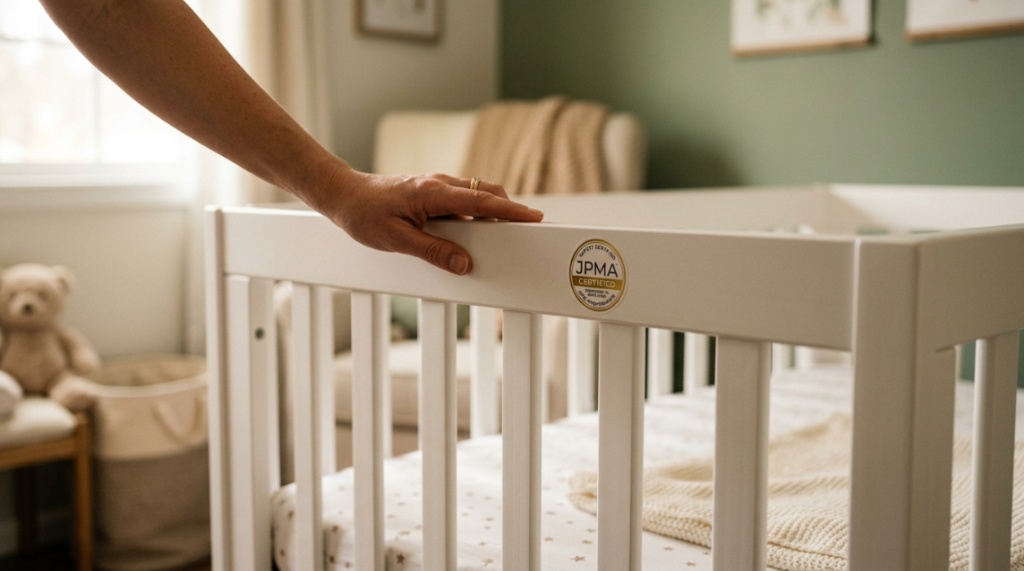
- JPMA certification when available
- Clear manufacturer information
- Detailed assembly instructions
These indicators show that the crib has undergone testing for structural integrity, spacing requirements, durability, and overall safety performance.
Why are drop-side cribs unsafe?
Drop-side cribs were banned because their movable sides could detach or malfunction, creating dangerous gaps where infants could become trapped.
If purchasing a used crib, avoid any drop-side model regardless of condition.
Are Cheap Cribs Actually Safe for Babies?
Yes. Cheap cribs can be completely safe when they meet modern safety regulations and come from reputable manufacturers.
Price alone is not a reliable indicator of safety. Federal standards apply across all price categories.
Many affordable models cost less because they feature:
- Simpler designs
- Fewer decorative details
- Basic finishes
- Minimal accessories
- Efficient manufacturing processes
In many cases, parents pay more for aesthetics than performance. A straightforward, well-constructed crib can deliver the same level of infant safety as a luxury alternative costing several hundred dollars more.
What should parents avoid in low-cost cribs?
Avoid products with:
- Poor customer reviews regarding stability
- Weak assembly hardware
- Sharp edges or rough surfaces
- Missing certification information
- Recall history without corrective action
Always check recall databases before purchasing any nursery furniture.
What Features Provide the Best Value in Budget Nursery Furniture?
The most valuable features are adjustable mattress heights, convertible designs, durable materials, and strong hardware systems.
Smart parents focus on long-term usefulness rather than decorative upgrades.
Among all categories of budget nursery furniture, cribs offering multiple stages of use typically deliver the greatest return on investment.
Why are convertible cribs worth considering?
Convertible cribs transform into toddler beds and sometimes daybeds or full-size beds, extending usability for years.
Although they may cost slightly more initially, they often eliminate future furniture purchases.
How important are adjustable mattress heights?
Very important.
Newborns require a higher mattress position for easier access. As babies grow and begin sitting or standing, lowering the mattress helps prevent climbing accidents.
Most quality cribs offer:
- Two height settings
- Three height settings
- Four adjustable positions
More adjustment options generally provide greater flexibility.
Which Materials Are Best for Affordable Cribs?
Solid wood and high-quality engineered wood are typically the best materials for balancing durability, safety, and affordability.
Material selection affects both longevity and structural performance.
| Material | Durability | Cost | Best For |
|---|---|---|---|
| Solid Pine | Good | Affordable | Budget-conscious families |
| Solid Hardwood | Excellent | Higher | Long-term use |
| Engineered Wood | Moderate to Good | Budget-friendly | Modern nursery furniture |
| Metal | Excellent | Moderate | Minimalist designs |
Many well-rated affordable cribs use combinations of solid wood and engineered materials to keep costs reasonable without compromising safety.
Are non-toxic finishes important?
Yes. Babies frequently chew crib rails during teething stages, making non-toxic finishes an important safety consideration.
Look for water-based paints and low-VOC finishes whenever possible.
Should You Buy a New or Used Baby Crib?
New cribs are generally safer because they comply with current safety standards and include manufacturer warranties.
While used cribs can reduce costs, buyers should proceed carefully.
Before purchasing a secondhand crib:
- Confirm manufacturing date
- Check recall history
- Inspect hardware thoroughly
- Verify all parts are included
- Ensure no structural damage exists
- Avoid drop-side models entirely
When is buying used a reasonable option?
If the crib was manufactured under current regulations, has complete hardware, shows minimal wear, and passes all safety checks, it may represent a cost-effective solution.
However, many parents find that affordable new cribs provide greater peace of mind for a relatively small difference in price.
How Much Should Parents Budget for a Quality Crib?
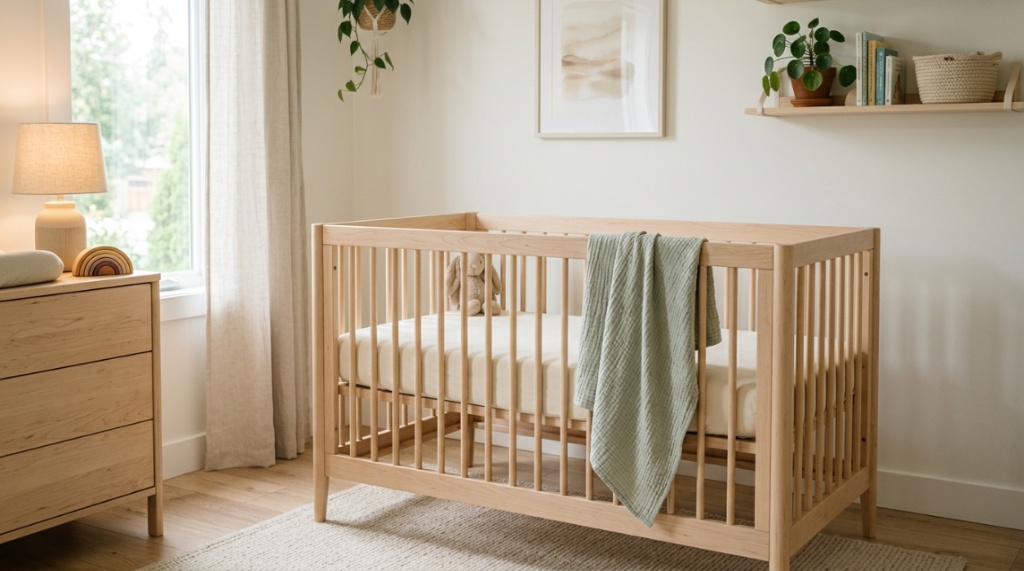
Most parents can find a safe, durable crib between $150 and $400 without sacrificing quality.
Pricing varies depending on:
- Construction materials
- Brand reputation
- Convertibility features
- Design complexity
- Included accessories
Typical budget ranges include:
| Budget Range | Expected Features |
|---|---|
| $100–$150 | Basic safety-compliant crib |
| $150–$250 | Better materials and adjustable heights |
| $250–$400 | Convertible designs and premium durability |
| $400+ | Designer aesthetics and luxury finishes |
For most families, the sweet spot lies between $200 and $350, where quality and affordability intersect effectively.
What Common Mistakes Should Parents Avoid When Shopping for Cribs?
The biggest mistake is focusing on appearance before evaluating safety and construction quality.
Many nursery purchases are influenced by social media images rather than practical considerations.
Avoid these common errors:
- Choosing style over safety
- Ignoring certification labels
- Buying recalled products
- Selecting incompatible mattresses
- Overlooking assembly quality
- Assuming expensive means safer
- Purchasing oversized cribs for small spaces
Why does mattress fit matter?
A properly fitted mattress prevents dangerous gaps that could create entrapment hazards.
The mattress should fit snugly with minimal space between the mattress edge and crib frame.
How Can Parents Compare Cribs Efficiently Before Buying?
Create a comparison checklist that scores each crib based on safety, durability, functionality, and overall value.
Evaluating products systematically prevents emotional purchasing decisions.
Consider ranking each crib according to:
- Safety certifications
- Material quality
- Customer satisfaction
- Warranty coverage
- Convertible functionality
- Assembly simplicity
- Price-to-feature ratio
Many parents find it helpful to compare several options before selecting a model. For a deeper look at highly rated products, this detailed resource covering top-rated baby crib recommendations for Illinois families offers useful comparisons and buying considerations.
Conclusion: How Can You Buy a Safe Crib Without Overspending?
You do not need to spend a fortune to provide a safe sleep environment for your baby.
The most important factors are compliance with modern safety standards, durable construction, proper mattress fit, and practical features that support long-term use. While premium cribs often emphasize luxury finishes and designer aesthetics, many affordable models deliver the same essential protection and functionality.
By prioritizing safety certifications, comparing materials carefully, evaluating conversion options, and researching reviews, parents can confidently choose quality cheap cribs and dependable budget nursery furniture without compromising their child’s well-being.
Before making your final decision, explore expert-reviewed options and detailed comparisons through this comprehensive guide to finding the best baby crib for your nursery and budget. A little research today can provide years of safe, comfortable sleep for your growing child.
Frequently Asked Questions About Affordable Baby Cribs
Are expensive baby cribs safer than budget cribs?
No. Safety depends on compliance with current standards, not price. Affordable cribs that meet CPSC and ASTM requirements provide the same core safety protections as premium models.
What is the safest type of crib for a newborn?
A standard full-size crib that meets current safety regulations is considered one of the safest options for newborn sleep. Proper mattress fit and correct assembly are equally important.
How long can a baby use a crib?
Most children use a crib until approximately 18 months to 3 years of age, depending on size, mobility, and developmental milestones.
Can I use a secondhand crib safely?
Yes, but only if it meets modern safety standards, has not been recalled, includes all hardware, and shows no structural damage. Avoid drop-side cribs completely.
What crib features are worth paying extra for?
Convertible functionality, multiple mattress height settings, strong construction materials, and quality hardware are often worth additional investment because they extend usability and improve convenience.
How do I know if a crib mattress fits correctly?
The mattress should fit tightly inside the crib frame with minimal gaps around the edges. Large spaces can create safety hazards and should be avoided.
When should the mattress height be lowered?
Lower the mattress as soon as your baby begins sitting independently or attempting to pull up. This helps prevent falls and climbing-related injuries.




Leave a Reply