
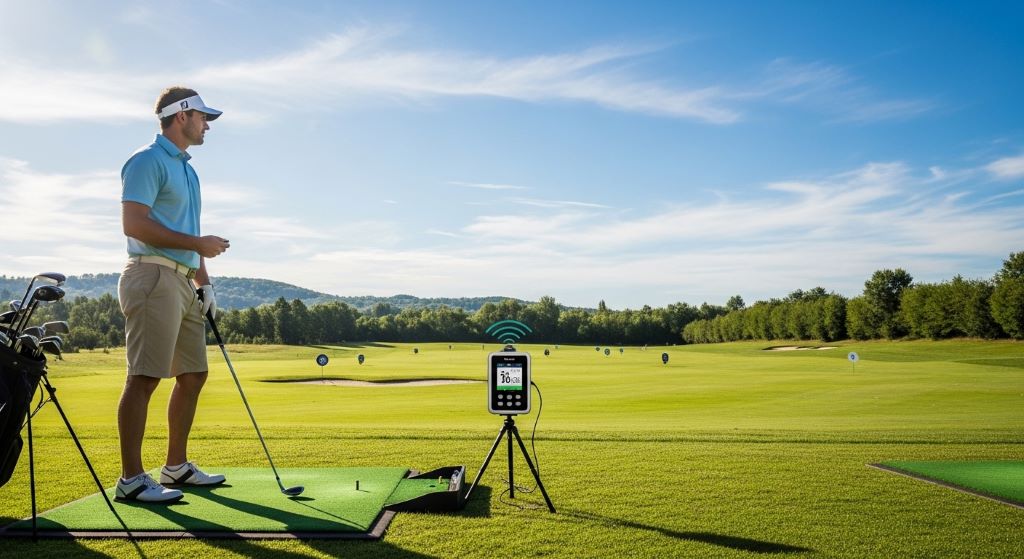
Golf has always been a game of precision. Every swing matters. Every yard counts. Today, technology has made it easier than ever to measure your performance on the course. A golf launch monitor is one of the most powerful tools a golfer can own. However, with so many options available, choosing the right one can feel overwhelming.
This guide will walk you through everything you need to know. You will learn what to look for, what to avoid, and how to find a monitor that works well outdoors. Whether you are a beginner or a seasoned player, this article will help you make a smart, informed decision.
What Is a Golf Launch Monitor?
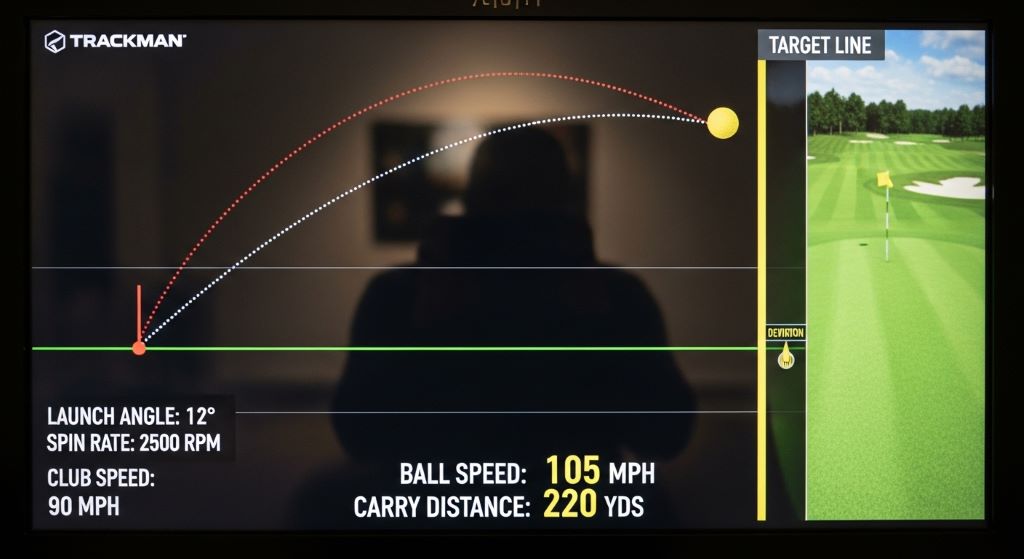
A golf launch monitor is a device that measures your golf shots in real time. It captures data such as ball speed, launch angle, spin rate, carry distance, and shot direction. Some advanced models also track club head speed and smash factor.
These devices use different technologies to gather this data. The two most common are radar-based and camera-based systems. Radar monitors track the ball through the air. Camera-based monitors capture the moment of impact. Each has its strengths, and the right choice depends on your practice setup.
For outdoor use, radar-based monitors are often preferred. They perform well in open spaces where the ball travels its full distance. Additionally, they tend to be more accurate in windy or bright sunlight conditions.
Why Accuracy Matters Outdoors
Indoor practice ranges are controlled environments. Outdoors, conditions change constantly. Wind, sunlight, and uneven terrain can all affect how a monitor reads your shots. Therefore, accuracy becomes even more important when you are practicing outside.
An inaccurate monitor gives you bad data. Bad data leads to poor practice decisions. You might think your driver carries 250 yards when it actually carries 230. Over time, this gap between perceived and real performance can hurt your game.
Choosing a monitor with high outdoor accuracy ensures that the numbers you see reflect your true ability. This is especially critical for players who rely on a distance tracking device to manage their course strategy and club selection.
Key Features to Look for in an Outdoor Launch Monitor
Accuracy and Consistency
The most important feature is accuracy. Look for a monitor that has been independently tested. Many manufacturers publish their accuracy ratings, but third-party reviews are often more reliable. A good outdoor monitor should measure carry distance within plus or minus two yards and ball speed within one mile per hour.
Consistency is just as important as accuracy. A monitor should give you similar readings when you hit the same shot repeatedly. If the numbers jump around wildly, the device is not reliable enough for serious practice.
Portability and Durability
Outdoor practice means carrying your equipment from place to place. Therefore, portability matters. Look for a monitor that is lightweight and compact. Many top models weigh less than two pounds and fit easily into a golf bag.
Durability is equally important. The device will be exposed to sun, wind, and occasional rain. Choose a model with a solid build quality. Some monitors come with weather-resistant casings, which is a major advantage for outdoor use.
Battery Life
Long practice sessions require a monitor with strong battery life. Most quality devices offer between four and eight hours of use on a single charge. However, GPS features and Bluetooth connectivity can drain the battery faster. Always check the battery specifications before buying.
Shot Data Range
Outdoor practice benefits from a wide range of shot data. Look for a monitor that tracks at least the following metrics:
- Ball speed
- Launch angle
- Spin rate
- Carry distance
- Total distance
- Side deviation
Some devices also measure apex height and descent angle, which can be helpful for understanding your ball flight. As a shot accuracy tool, the more data your monitor captures, the better you can diagnose your swing flaws and improve your consistency.
Connectivity and App Integration
Most modern launch monitors connect to smartphones or tablets via Bluetooth or Wi-Fi. A good companion app can visualize your data, store your session history, and even offer swing tips. Look for a monitor that pairs with an intuitive app. The interface should be clean and easy to read, even in bright sunlight.
Some apps also allow you to compare your shots side by side. This is very useful when you are testing different clubs or working on a specific swing change.
Radar vs. Camera: Which Works Better Outdoors?
This is one of the most common questions golfers ask. Both technologies have their place, but they perform differently outside.
Radar monitors use Doppler radar technology and are excellent outdoors. They track the ball from impact all the way to landing. They work well in wide-open spaces like driving ranges or golf courses. However, they need the ball to travel a certain minimum distance to gather enough data. Short chip shots or putts may not register accurately.
Camera-based monitors capture data at the moment of impact. They are very accurate for measuring ball speed, spin, and launch angle. However, they can struggle in direct sunlight, which can interfere with the camera sensors. Additionally, they typically need the ball to travel only a short distance, making them great for indoor use but sometimes less reliable outdoors.
For most outdoor golfers, a radar-based monitor is the better choice. It provides reliable data across a full range of shots, from short irons to the driver.
Budget Considerations
Launch monitors range in price from around $200 to over $20,000. The good news is that you do not need to spend a fortune to get reliable outdoor performance.
Entry-level monitors in the $200 to $500 range offer basic shot data and decent accuracy. They are a good starting point for recreational golfers. Mid-range devices priced between $500 and $2,000 offer more detailed metrics and better accuracy. These are ideal for serious amateurs and club golfers.
Professional-grade monitors above $2,000 deliver the highest levels of accuracy and data depth. They are used by touring professionals and teaching academies. However, for most golfers, a mid-range device will meet all their needs. Therefore, set a realistic budget based on how seriously you practice and what data you actually need.
Top Things to Avoid When Buying a Launch Monitor
Not every monitor lives up to its marketing. Here are some common pitfalls to watch out for:
- Avoid monitors with limited outdoor range. Some devices only work well indoors and struggle to track shots beyond 100 yards.
- Be cautious of devices with poor app support. An outdated or buggy app can ruin the experience even if the hardware is good.
- Skip monitors that lack independent accuracy verification. Manufacturer claims are not always backed by real-world testing.
- Do not buy based on brand name alone. A well-known brand does not always mean the best outdoor performance.
- Avoid monitors without a return policy or warranty. A solid warranty shows the manufacturer stands behind their product.
How to Test a Launch Monitor Before You Buy
If possible, try before you buy. Many golf retailers allow customers to demo launch monitors in store or on an outdoor range. Take advantage of this opportunity. Hit a variety of shots, from wedge to driver, and compare the readings to your known distances.
You can also read user reviews from golfers who practice outdoors in conditions similar to yours. Real-world feedback is often more valuable than spec sheets.
Additionally, look for YouTube videos showing the device in outdoor settings. Many golfers post detailed reviews with side-by-side comparisons. These can give you a clear picture of real-world performance before you spend any money.
Setting Up Your Launch Monitor for Outdoor Use
Once you have chosen your monitor, proper setup is essential. Place the device at the correct distance from the ball, as specified in the manual. Most radar monitors need to be positioned a few feet behind the ball. Camera-based devices are usually placed to the side.
Ensure the monitor is level and stable. Uneven ground can affect readings. Use the built-in leveling indicators if your device has them. Additionally, avoid setting up directly into the sun when possible, as glare can affect some sensors.
Calibrate the device if required. Some monitors ask you to input your altitude or temperature for more precise distance calculations. Taking a few minutes to calibrate properly will improve your overall data accuracy throughout the session.
Making the Most of Your Launch Monitor Data
Owning a launch monitor is only half the battle. You also need to know how to use the data effectively. Start by tracking your average distances for each club. Do this over several sessions to get a reliable baseline.
Next, identify patterns in your misses. If your shots consistently go left or right, the side deviation data will make this clear. You can then work with a coach or use drills to correct the issue.
Furthermore, use your monitor to simulate on-course decisions. For example, practice hitting a specific distance to a virtual pin. This kind of targeted practice is far more effective than simply hitting ball after ball without a goal.
Using a dedicated distance tracking device in this structured way will sharpen both your skills and your decision-making on the course.
Conclusion
Choosing the right golf launch monitor for outdoor practice does not have to be complicated. Start by identifying what data matters most to you. Then set a realistic budget and focus on accuracy, portability, and battery life. For outdoor use, a radar-based distance tracking device will generally outperform camera-based alternatives in open conditions.
Remember that the best monitor is one you will actually use. Look for a device with a clean app interface and straightforward setup. Whether you are a weekend golfer or someone chasing a single-digit handicap, investing in reliable shot accuracy tools can genuinely transform how you practice and how you play.
Take your time, do your research, and trust the data. Your game will thank you for it.
Frequently Asked Questions
What is the most accurate golf launch monitor for outdoor use?
Radar-based monitors such as the Bushnell Launch Pro and Garmin Approach R10 are widely regarded as among the most accurate for outdoor use. They track the full ball flight and deliver consistent data across a range of conditions.
Can I use an indoor launch monitor outside?
Some indoor monitors can be used outdoors, but they may struggle with bright sunlight or require the ball to land in a net. Always check the manufacturer’s outdoor compatibility before buying.
How far does a launch monitor need to be from the ball?
This varies by model. Radar monitors are typically placed two to three feet behind the ball. Camera-based monitors are usually positioned to the side, about one to two feet from the ball. Always follow the manufacturer’s placement guidelines.
Is a $500 launch monitor accurate enough for serious practice?
Yes, in most cases. Mid-range monitors in the $500 range offer solid accuracy for carry distance and ball speed. They are more than sufficient for amateur and club-level golfers looking to improve their game.
Do launch monitors work well in windy conditions?
Radar-based monitors generally handle wind better than camera-based ones. However, very strong winds can still affect ball flight and therefore the data recorded. It is best to practice in moderate conditions whenever possible.
Related Topics:
How to Choose Smart Gadgets for Men That Simplify Life
Metaverse Fashion Forensics: Authenticating Digital Exclusives



Leave a Reply