
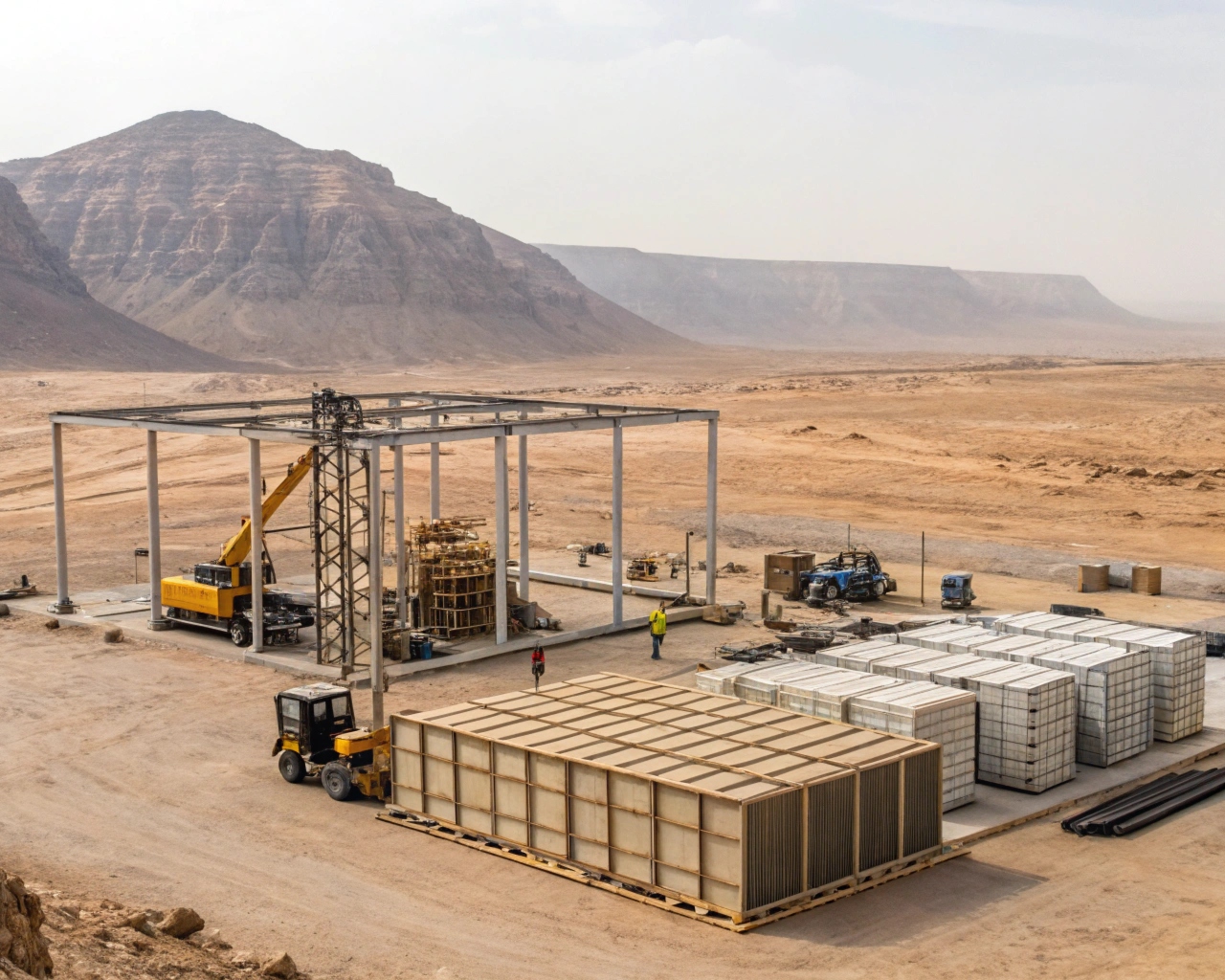
Miles away from established infrastructure, construction projects operate under a completely different set of rules. A delayed shipment, a washed-out access road, or a missing piece of equipment can impact schedules far more dramatically than on a typical urban project. Remote construction success often depends on how well teams manage movement, communication, resources, and contingency planning long before construction activities begin.
Building a Supply Network Before the First Piece of Equipment Arrives
Remote projects often require logistical preparation months before field crews mobilize. Transportation routes, supplier relationships, storage locations, and delivery schedules must be established early because replacement materials may not be readily available once work begins.
Navigator International Global Construction projects frequently focus on creating supply systems that function independently of nearby commercial infrastructure. This approach helps reduce vulnerability to transportation interruptions while supporting a more predictable construction schedule.
Turning Isolated Locations Into Functional Operating Bases
Many remote sites begin with very little existing support infrastructure. Construction teams may need temporary offices, equipment yards, storage facilities, communications systems, and workforce accommodations before project work can fully start.
Nav Int often approaches remote developments as complete operational ecosystems rather than simple construction sites. Establishing those foundational resources early creates a stable environment where crews can focus on execution rather than daily logistical challenges.
Planning Deliveries Around Seasons Instead of Calendars
Remote construction schedules often depend heavily on environmental conditions. Mountain roads, desert routes, coastal access points, and seasonal weather patterns can influence transportation options more than project timelines.
Experienced project teams study those patterns closely. Material deliveries are frequently scheduled around weather windows and transportation availability rather than relying solely on traditional construction milestones.
Reducing Dependency on Last-Minute Procurement Decisions
Urban projects often benefit from nearby suppliers and rapid delivery options. Remote locations rarely offer that flexibility, making reactive purchasing strategies significantly more risky.
Careful forecasting helps prevent disruptions. Navigator International Construction Company often emphasizes procurement planning that anticipates future project phases well before materials are needed in the field.
Creating Equipment Support Systems Far From Service Centers
Heavy equipment becomes even more valuable when replacement resources are hours away. Mechanical downtime can affect productivity quickly if repair capabilities are not built into the project plan.
Dedicated maintenance strategies help reduce those risks. Field support systems, spare components, and preventative service schedules often become essential parts of remote construction operations.
Managing Workforce Rotation Without Slowing Progress
Remote projects frequently require specialized staffing approaches. Travel distances, housing requirements, and extended deployments create workforce challenges that differ significantly from traditional construction environments.
Structured rotation schedules help maintain productivity while supporting employee well-being. Consistent workforce planning also reduces disruptions associated with frequent personnel transitions.
Keeping Critical Materials Available Without Overstocking
Inventory management becomes a balancing act in isolated locations. Too little inventory can create delays, while excessive stock can increase storage costs and logistical complexity.
Successful teams monitor usage patterns closely. Strategic inventory planning helps ensure resources remain available without creating unnecessary operational burdens.
Building Communication Networks Where Infrastructure Is Limited
Reliable communication cannot be assumed in many remote project environments. Weak connectivity, geographic barriers, and limited local infrastructure often require alternative communication solutions.
Effective project coordination depends on maintaining information flow between field operations and management teams. Structured communication systems help improve decision-making while supporting overall project accountability.
Preparing Alternate Routes Before Access Problems Occur
Single-access sites create unique vulnerabilities. Road closures, weather events, transportation restrictions, or infrastructure failures can quickly affect project operations if contingency plans do not exist.
Proactive route planning helps reduce those risks. Multiple transportation options often provide flexibility when unexpected challenges affect primary access points.
Integrating Logistics Into Daily Construction Decisions
Logistics and construction activities often influence each other more than many people realize. Workforce deployment, material availability, equipment movement, and schedule adjustments frequently require coordinated decision-making.
Organizations that integrate logistical planning into everyday operations often maintain greater project stability. This alignment helps improve responsiveness while supporting efficient resource utilization.
Supporting Mission-Driven Projects in Challenging Environments
Many remote construction projects support government operations, infrastructure expansion, energy development, or strategic facilities where reliability matters far beyond the jobsite itself. Success often depends on maintaining operational control despite geographic isolation and logistical complexity. Navigator International Government construction experience provides valuable insight into managing projects where transportation planning, workforce coordination, supply chain reliability, and execution must work together seamlessly. Through disciplined logistics frameworks and field-tested operational strategies, Navigator International helps clients complete remote projects with greater efficiency, consistency, and confidence.




Leave a Reply