
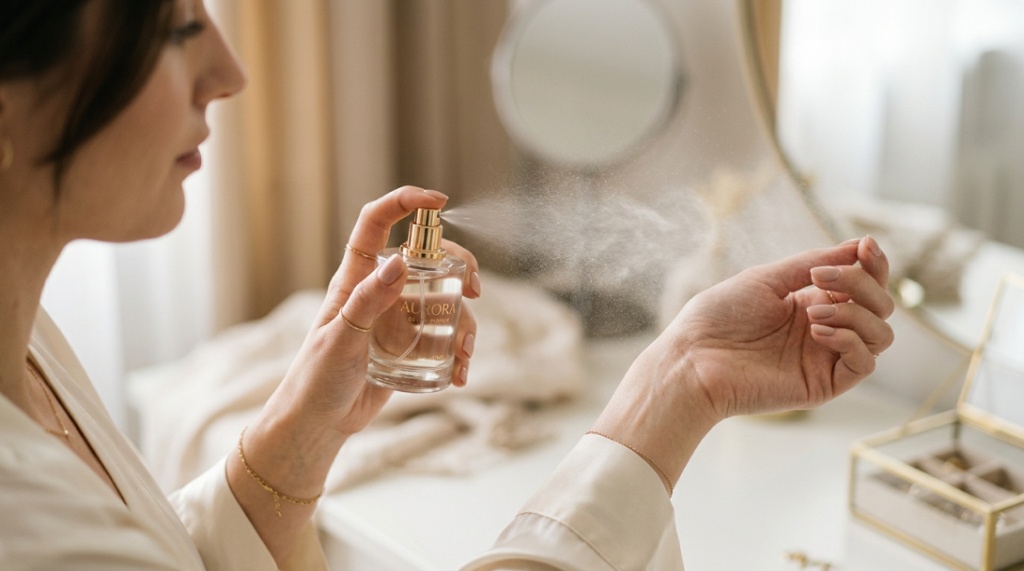
You’ve stood in front of that fragrance counter, sprayed a dozen strips, and left with a bottle that smelled amazing in the store. But a week later, nobody has said a word. Not a single “You smell great.” It is frustrating. The problem isn’t you—it is the method. Choosing the best smelling men’s cologne for compliments is not about picking the most expensive bottle. It is about understanding how scent interacts with your skin, your lifestyle, and the people around you. This guide gives you a repeatable system to skip the guesswork and finally get the reactions you want.
What Makes a Fragrance Actually Compliment-Worthy?
A compliment-worthy fragrance has three key traits: projection, pleasing notes, and uniqueness. Projection means people can smell you without standing inside your personal bubble. Pleasing notes are the scents that human noses naturally find attractive, like vanilla, amber, and fresh citrus. Uniqueness ensures you do not smell like everyone else in the elevator. The best fragrances balance these three factors to create a memorable impression.
The Role of Sillage
Sillage (pronounced see-yahzh) is the trail a fragrance leaves behind. A strong sillage means people notice you when you walk by. A weak sillage means only you can smell it. For compliments, you want moderate to strong sillage. Test this by spraying once on your wrist and walking away. If someone three feet away can smell it, you have good sillage.
Why Mass-Appeal Scents Work
Compliments usually come from scents that are “crowd-pleasers.” These include fresh, clean, and sweet notes. Blue fragrances (aquatic and citrus) and gourmand scents (vanilla, tonka bean) perform consistently well in real-world tests. Avoid overly niche or challenging notes like heavy leather or barnyard oud if your main goal is compliments.

Which Fragrance Notes Get the Most Compliments?
The most complimented notes are citrus (bergamot, grapefruit), sweet (vanilla, amber, caramel), and fresh (lavender, mint, aquatic accords). Research from fragrance communities and department store sales data consistently shows these categories generate the highest positive feedback. Woodsy notes like cedar and sandalwood also perform well when blended with sweeter bases.
| Note Category | Examples | Compliment Potential |
|---|---|---|
| Citrus | Bergamot, Lemon, Grapefruit | High (fresh, clean) |
| Gourmand | Vanilla, Tonka Bean, Caramel | Very High (sweet, addictive) |
| Fresh Aquatic | Sea Salt, Ozone, Water Notes | High (clean, inoffensive) |
| Aromatic | Lavender, Rosemary, Mint | Moderate (barbershop style) |
| Woody | Cedar, Sandalwood, Vetiver | Moderate to High (when blended) |
| Oriental | Amber, Incense, Resins | Moderate (polarizing) |
How Many Sprays Should You Use for Maximum Compliments?
Use 3 to 5 sprays for most EDT and EDP concentrations. The classic method is: one spray on each side of the neck, one on the back of the neck, and one on each wrist (or chest). More than 5 sprays for strong fragrances can overwhelm people. Less than 3 sprays often goes unnoticed. Adjust based on the fragrance strength—lighter scents can handle 5, heavy ones need only 2 or 3.
The Pulse Point Rule
Spray on pulse points where blood flows close to the skin: wrists, neck, behind the ears, and inside the elbows. Heat helps project the fragrance. Do not rub your wrists together after spraying. Rubbing breaks the molecular bonds and changes the scent profile, often dulling the top notes.
Clothing vs. Skin
Spraying on clothing extends longevity but reduces projection. Fabric absorbs oils, making the scent last longer but stay closer to you. For compliments, spray on skin first. A single spray on your collar can act as a backup for later in the day.
When Should You Apply Fragrance for Best Results?
Apply fragrance immediately after a shower when your skin is warm and pores are open. Moisturized skin holds scent longer than dry skin. Apply at least 15 minutes before leaving the house so the alcohol evaporates and the true scent develops. Reapply only if the fragrance fades after 4–6 hours. For all-day events, carry a travel size for a midday refresh.
Seasonal Timing
Fresh and citrusy scents work best in spring and summer. Warm, sweet, and woody scents perform better in fall and winter. Applying a summer scent in winter will fade too quickly. Applying a winter scent in summer will be cloying. Match your fragrance to the season for natural compliment generation.
Can You Train Your Nose to Pick Compliment-Getters?
Yes. Your nose can learn to identify the chemical structures behind popular scents. Start by sampling fragrances in the categories listed above. Wear one for a full day and ask three people for honest feedback. Document what they say. Over time, you will recognize patterns. For example, if three different fragrances with vanilla bases all get compliments, you know vanilla works on your skin.
The Sampling Protocol
Do not test more than three fragrances in one day. Smelling too many causes nose fatigue. Spray one on each wrist and one on your inner elbow. Smell each at the 1-hour, 3-hour, and 6-hour marks. Write down the dry down (the final scent). The dry down is what people smell most of the day.
How Does Your Skin Chemistry Affect Compliments?
Skin chemistry changes how a fragrance smells on you versus the bottle. pH, oiliness, and even diet affect projection and notes. Oily skin holds fragrance longer. Dry skin causes fragrances to fade faster. The same bottle can smell different on two people. That is why testing on your own skin is non-negotiable.
Testing on Versus Off Skin
Paper strips show the fragrance’s top notes accurately. They do not show how the base notes will perform on your unique skin. Always spray on your inner wrist before buying. Wear it for an hour. If the scent turns sour, synthetic, or disappears within 30 minutes, it is not a good match for your chemistry.
What Is the Difference Between EDT, EDP, and Parfum for Compliments?
EDT (Eau de Toilette) has 5–15% oil concentration. EDP (Eau de Parfum) has 15–20%. Parfum has 20–30%. For compliments, EDP is generally best. It offers stronger projection and longer longevity without being as overwhelming as full Parfum. EDT is fine for fresh summer scents where you want a lighter trail. Parfum is best for evening events where you want a subtle, lasting presence.
Longevity and Projection Comparison
- EDT: Lasts 3–5 hours. Moderate projection. Best for office or daytime.
- EDP: Lasts 5–8 hours. Strong projection. Best for dates, parties, and all-day wear.
- Parfum: Lasts 8–12 hours. Soft projection (close to skin). Best for formal events.
How to Test a Fragrance Before Buying It
Do not rely on store testers alone. Get a decant or sample vial from a reputable retailer. Wear it for at least three full days in different conditions—work, casual, evening. Ask for feedback from people you trust. If you get at least one unsolicited compliment during the test period, it is a good candidate for purchase.
The “Three Compliment Rule”
A reliable benchmark in fragrance communities is the Three Compliment Rule. If three different people comment on your scent within the first week of wearing it, that fragrance is a proven compliment-getter for your chemistry. If nobody says anything after a week, move on to the next sample.
How Much Should You Spend on a Compliment-Getting Fragrance?
You do not need to spend over $100 to get compliments. Many affordable options perform just as well as designer or niche brands. The price does not determine the compliments—the scent profile, longevity, and your skin chemistry do. Focus on finding a fragrance that fits your budget and passes the wear test. If you are looking for high-performing budget-friendly options, check out this curated list of best smelling men’s cologne that consistently earns positive feedback without breaking the bank.
Value vs. Price
A $30 fragrance with 8-hour longevity and high sillage is more valuable than a $200 fragrance that fades in two hours. Do not equate price with quality. Sephora, Ulta, and discount fragrance retailers often have excellent options under $50. Test them thoroughly before spending more.
How to Store Fragrance to Maintain Compliment Potential
Store fragrances in a cool, dark place away from direct sunlight and temperature fluctuations. Bathroom cabinets are bad because of humidity. Keep them in their original box or a drawer. Proper storage prevents the scent from degrading. A degraded fragrance loses its projection and smells off, killing your compliment chances.
Shelf Life Guidelines
Most fragrances last 3–5 years if stored correctly. Citrus-heavy scents degrade faster, often within 2 years. Woody and oriental scents can last longer, up to 7 years. If the liquid turns darker or smells like alcohol, it has gone bad. Replace it immediately.
What Mistakes Kill Compliments Instantly?
The biggest mistakes are overspraying, choosing polarizing notes, and ignoring the occasion. Wearing a heavy leather scent to a daytime office can repel people. Spraying 10 sprays of a strong EDP can cause headaches and irritation. Not testing on your skin can result in a sour smell that pushes people away. Looking great is only half the battle; how you smell leaves a lasting impression. If you want to master your signature scent, learn how to select a fragrance that gets more compliments by matching notes to your skin chemistry.
Common Compliment Killers
- Overspraying: More is not better. Stick to 3–5 sprays.
- Strong spice or leather: Polarizing and often disliked in close quarters.
- Stale or old bottles: Degraded scents smell like rubbing alcohol.
- Not considering the environment: Heavy scents in small rooms are overwhelming.
- Ignoring dry down: Buying based only on top notes is a recipe for disappointment.
Frequently Asked Questions
How many compliments should I expect from a good fragrance?
One to three unsolicited compliments per week is excellent. If you get none, consider switching to a different scent profile or adjusting your application method.
Is designer fragrance better than affordable fragrance for compliments?
No. Price does not determine compliment potential. Many affordable fragrances use the same or similar aroma chemicals as designer brands. Performance and mass appeal matter more than brand name.
Can I make a cheap fragrance last longer?
Yes. Apply unscented moisturizer or petroleum jelly to your pulse points before spraying. This gives the fragrance oils something to bind to, extending longevity by 1–3 hours. Layering with a matching body wash also helps.
Should I rotate fragrances or stick with one?
Rotate based on occasion and season. Having 3–5 fragrances for different scenarios (work, date, casual) ensures you always have the right scent. Your signature scent can be the one you wear most often, but variety keeps people from becoming nose-blind.
What is the best time to apply fragrance for a date?
Apply 20–30 minutes before the date. This allows the alcohol to evaporate and the heart notes to emerge. Subtle projection is more attractive than a strong entrance.
Do women prefer sweet or fresh scents on men?
Studies and fragrance community polls show women generally prefer sweet, warm scents (vanilla, amber) for evening and fresh, clean scents (citrus, aquatic) for daytime. There is no universal preference, but these two categories consistently rank highest.
Can a fragrance stop getting compliments over time?
Yes. Your nose gets used to a scent (nose blindness), so you spray more, ruining the balance. Also, your skin chemistry can change with diet, age, and health. If a previously complimented fragrance stops working, take a break from it for a few months or move on.




Leave a Reply