
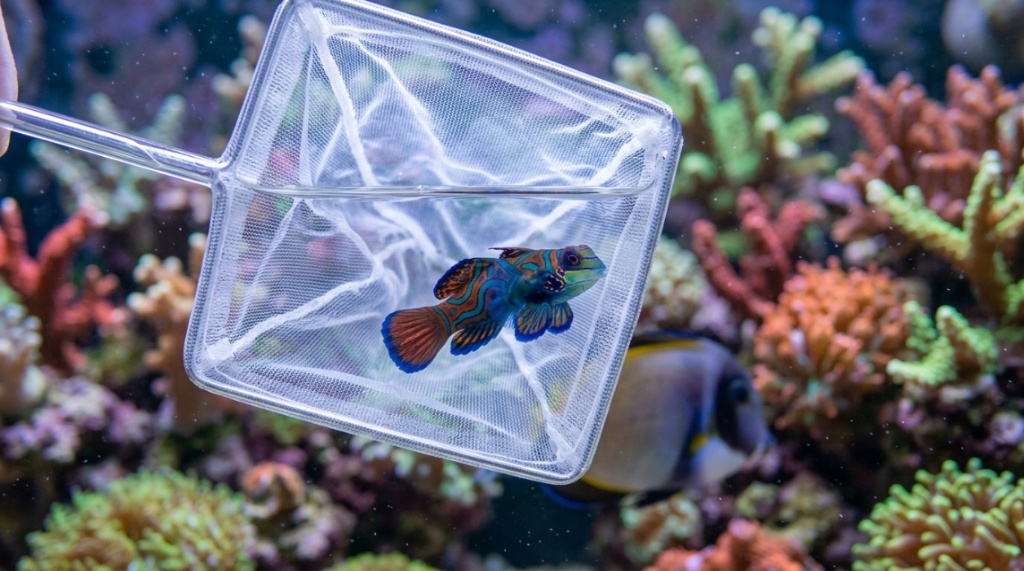
You notice your prized betta fish flaring its gills, or your discus is breathing heavily after a routine tank cleaning. You suspect the net. That cheap, rough mesh you grabbed at the pet store might be doing more harm than good. You are not alone. Many aquarists discover too late that an aggressive net can strip a fish of its protective slime coat, tear delicate fins, or cause fatal stress. Choosing a safe fish net for delicate fish is not a luxury; it is a necessity for responsible fishkeeping. In this guide, you will learn exactly how to select, use, and care for a net that keeps your sensitive species healthy and calm.
What Makes a Fish Net Safe for Delicate Species?
A safe fish net minimizes physical trauma and stress. It uses ultra-fine, soft mesh, seamless seams, and gentle handling techniques to protect scales, fins, and the slime coat of sensitive fish like bettas, angelfish, discus, and fancy goldfish.
The Role of Mesh Material and Weave
The mesh is the most critical factor. Standard nets use coarse nylon or polyester with large openings that catch gill plates and fin rays. Safe nets for delicate fish use micron-grade mesh (typically under 1mm openings) woven from soft polyester or silicone-coated nylon. This material feels like silk against the fish rather than sandpaper. It prevents the net from cutting into the slime coat, which is the fish’s primary defense against bacteria and parasites.
Why Frame Design Matters for Sensitive Fish
A rigid plastic frame with sharp edges can scrape a fish’s body. Quality safe nets feature coated metal or rounded plastic frames. The net bag should be deep (at least twice the length of the fish) to prevent the fish from flipping out. Seamless or rolled seams are also vital. Any rough stitching can catch on delicate fins, especially for long-finned species like guppies or bettas.
Which Fish Species Require a Special Safe Net?
Any fish with a fragile slime coat, long fins, or a nervous disposition benefits from a specialized net. If you keep any of the following, a standard net poses an unnecessary risk.
Betta Fish and Other Anabantoids
Bettas have delicate, flowing fins that tear easily. Their labyrinth organ also makes them air breathers, meaning they are easily stressed by being trapped underwater in a net. A soft, fine-mesh net reduces the chance of fin splitting and allows for quick, gentle scooping. Avoid dragging a betta against the net wall.
Discus and Angelfish (Cichlids with Sensitive Skin)
Discus fish are notorious for their heavy, protein-rich slime coats. A rough net strips this coating, leaving them open to Hexamita and bacterial infections. Angelfish have tall, triangular dorsal fins that can become tangled. Use a net with a wide, deep basket to support their entire body without bending their fins.
Fancy Goldfish and Scale-Sensitive Varieties
Ranchū, Oranda, and Pearlscale goldfish have protruding scales and delicate head growths (wen). A coarse net can easily dislodge a scale or damage the wen tissue. A rubber-coated or silicone net is ideal because the material grips the fish gently without abrasion.
How to Choose the Right Net Material for Sensitive Fish
Selecting the correct material determines whether your net protects or harms. The market offers three primary options: standard polyester, rubberized mesh, and micro-fine nylon.
Standard Polyester vs. Rubber-Coated Mesh
Standard polyester nets with large holes (2-5mm) are suitable for hardy fish like tetras or barbs but are dangerous for delicate species. Rubber-coated mesh (often black or blue) is bouncy and soft. It does not absorb water, meaning it dries quickly and resists bacterial growth. It also grips the fish slightly, preventing frantic flopping.
Benefits of Micro-Fine Nylon (Breeder Nets)
Micro-fine nylon nets have a weave so tight (0.5mm or less) that they are often used for handling fry. They are excellent for adult delicate fish because the fine material creates a smooth, non-abrasive surface. The trade-off is that they hold more water, making them slightly heavier to lift.
What About Silicone or Soft Plastic Nets?
Silicone nets are a premium option. They are completely non-porous, making them the most hygienic choice. The material is incredibly soft and flexible, conforming to the fish’s shape. However, they are expensive and can be difficult to find in large sizes. For most hobbyists, a high-quality rubber-coated net offers the best balance of safety, durability, and value.
Why Does Net Size and Shape Matter for Fish Safety?
Using a net that is too small or the wrong shape causes unnecessary stress and injury. The net must provide enough space for the fish to remain calm and submerged during transfer.
Square Nets vs. Round Nets vs. Triangular Nets
Square or rectangular nets offer the most stable platform for larger fish. They provide a flat surface that supports the fish’s body weight. Round nets (bow nets) are better for quick scooping in tight spaces but offer less support. Triangular nets are common but the pointed bottom can force delicate fish into an unnatural, stressful angle. For delicate fish, a wide, square-bottom net is the safest choice.
Calculating the Correct Net Depth and Width
A good rule is to choose a net width that is at least 1.5 times the length of your largest fish. Net depth should be twice the fish’s height. This prevents the fish from hitting the rim or jumping out. A net that is too shallow forces the fish to bend its spine, increasing stress and the risk of spinal injury.
How to Net a Delicate Fish Without Causing Stress
Technique is just as important as the net itself. A safe net in careless hands still causes harm. Follow these steps to minimize trauma.
Step 1: Prepare the Environment
Never chase a fish wildly. Turn off filters, lights, and air stones to reduce current and shadows. Lower the water level if possible. This gives you more control and reduces the distance the net must travel. Gently guide the fish into a corner using a second net or a clear plastic cup.
Step 2: The Gentle Scoop (Not a Chase)
Place the net in the water and let it fill completely. Move it slowly toward the fish from the side or below. Never approach from above; this triggers a flight response. Scoop upward in a smooth, continuous motion. Keep the fish submerged in the net bag at all times. Do not lift the net out of the water immediately.
Step 3: Transfer with Water Support
Once the fish is in the net, keep the bag underwater. Use your other hand to cup the net bag from below. This provides physical support and prevents the fish from flopping. Transfer the net to the destination tank and gently lower it, allowing the fish to swim out on its own. Never dump or tip the net.
When setting up your content, link naturally to related guides using exact anchor text where appropriate, such as comparing gear like Kids Fishing Pole vs Regular Fishing Rod.
Can You Use a Net Safely for Fish with Long Fins?
Yes, but you must adapt your technique and net choice specifically for long-finned species. Bettas, guppies, and angelfish require extra care to prevent fin damage.
Using a Fin-Friendly Scoop Technique
For long-finned fish, never slide the net across the glass. This can catch and rip fins. Instead, use a clear container (like a deli cup) to guide the fish into the net. If the fish’s fins get stuck in the mesh, do not pull. Gently reverse the net into the water and let the fish free itself. Cutting the net is a last resort.
Why Rubber Nets Are Superior for Fin Protection
Rubber-coated nets have a unique property: they grip the fish’s slime coat without penetrating the fin rays. The material is also slightly sticky, which means the fish is less likely to thrash. Standard nets allow fins to slide through the holes, causing “fin splays” that can lead to infections.
How to Clean and Maintain a Safe Net
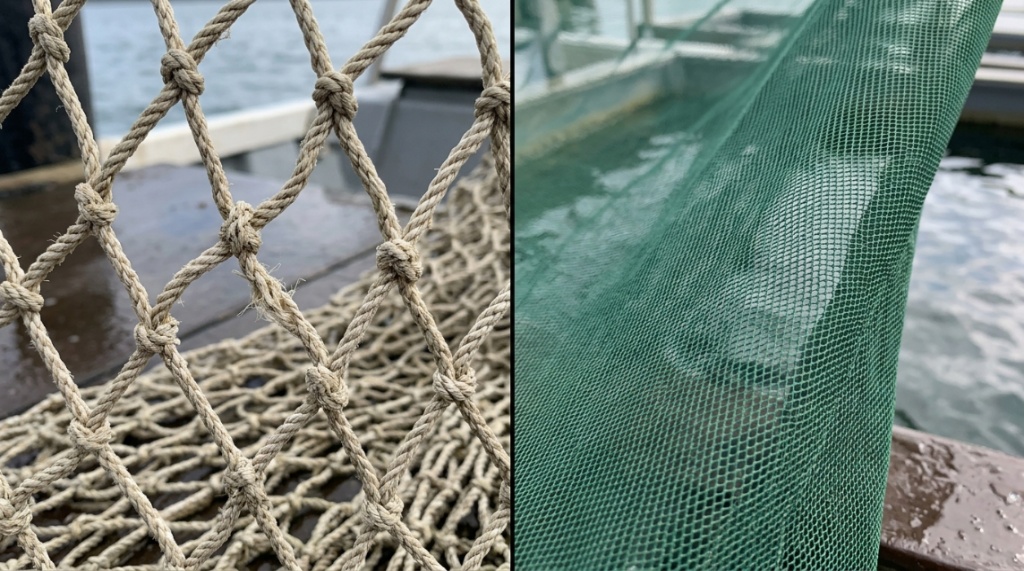
A dirty net is a vector for disease. Proper maintenance ensures your net remains safe and hygienic for every use.
Rinsing After Every Use
Immediately after use, rinse the net in a bucket of dechlorinated water. Do not use tap water, as chlorine can damage the net material over time and leave harmful residues. Gently knead the mesh to release any trapped debris or slime.
Disinfecting Without Damaging the Mesh
Soak the net in a solution of 1 part white vinegar to 3 parts water for 15 minutes to dissolve mineral deposits and kill bacteria. Alternatively, use a commercial aquarium-safe disinfectant. Never use bleach unless you are prepared to rinse the net for 10 minutes under running water and then soak in a dechlorinator. Bleach residue is deadly to fish.
Drying and Storage Best Practices
Always allow the net to dry completely before storing. Hang it in a well-ventilated area, away from direct sunlight which can degrade the mesh. Folded or crumpled nets develop permanent creases that can trap bacteria and snag fins. A dry net is a safe net.
What Are the Signs You Need to Replace Your Net?
Even the best safe nets wear out. Regular inspection prevents accidents. Replace your net if you notice any of the following.
Visible Damage to Mesh or Frame
Check for loose threads, torn mesh, or frayed seams at least once a month. A single loose thread can wrap around a fish’s eye or gill plate. Also inspect the frame for cracks or sharp burrs that could scrape the fish.
Loss of Softness or Flexibility
Over time, rubber-coated nets can become brittle or sticky. Micro-fine nylon can develop hard spots. If the material no longer feels soft and pliable against your skin, it is time to replace it. A stiff net is as dangerous as a coarse one.
| Net Material | Lifespan (with care) | Signs of Wear |
|---|---|---|
| Rubber-coated mesh | 1-2 years | Cracking, loss of grip, sticky residue |
| Micro-fine nylon | 6-12 months | Frayed edges, tears, hard spots |
| Silicone | 3-5 years | Tears, discoloration, warping |
| Standard polyester | 3-6 months | Loose threads, stretched holes |
Is a Net the Only Safe Way to Catch Delicate Fish?
No. For extremely fragile or high-value fish, alternative methods can be safer than even the best net.
Using a Clear Plastic Container or Cup
This is the gold standard for fish like discus or very large fancy goldfish. Gently herd the fish into a large, clear container submerged in the tank. Once the fish swims inside, lift the container straight out. There is zero contact with mesh, zero slime coat damage, and zero fin stress. This method is slower but infinitely safer.
When to Use a Net vs. a Container
Use a net for quick transfers of smaller fish or when you need to catch multiple fish in a short time. Use a container for large, easily stressed, or physically delicate fish. Many experienced breeders use the container method exclusively for their prize specimens.
Frequently Asked Questions
Can I use a regular fish net for betta fish?
It is not recommended. Regular nets are too coarse and can tear a betta’s long fins. Use a micro-fine nylon or rubber-coated net designed for delicate fish to prevent injury and stress.
How often should I replace my aquarium net?
Replace a standard net every 3 to 6 months. A high-quality safe net for delicate fish can last 1 to 2 years with proper rinsing and drying. Check for frayed threads or stiff mesh regularly.
Are rubber-coated nets safe for all fish?
Yes, rubber-coated nets are generally safe for all fish, but they are especially beneficial for delicate species. They are softer than standard nets and reduce slime coat damage. However, always use a gentle technique.
Can I use a net to catch fish for breeding?
Yes, but use a very fine mesh net (like a breeder net) to avoid damaging the fish’s slime coat or fins. Alternatively, use a clear plastic cup for minimal stress during breeding transfers.
What is the best net for handling fish fry?
A micro-fine nylon net with mesh openings no larger than 0.5mm is best for fry. This prevents their tiny bodies from getting caught in the net. Some breeders prefer using a turkey baster for very small fry.
How do I prevent my net from spreading disease?
Rinse the net in dechlorinated water after every use. Disinfect it weekly with a vinegar solution (1:3 with water) or an aquarium-safe disinfectant. Always let the net dry completely before storage.
Can I use a fish net to scoop up dead plant matter?
It is best to have a separate net for tank maintenance. Using the same net for debris and fish can transfer bacteria and fungi. Dedicate one net for cleaning and a different safe net for handling your fish.




Leave a Reply