
Young riders often seek the perfect board to kickstart their skate adventures. Many teens dream of cruising streets or landing first tricks with confidence. The WhiteFang 31 stands out as a reliable option. Moreover, parents appreciate boards that balance fun and safety. If you’re hunting for a solid skateboard for teens, check out this detailed WhiteFang 31 beginner skateboard review for insights.
Skateboarding surges in popularity among youth. In fact, over 70% of skateboard injuries involve riders under 19, according to various safety reports from the CDC and related studies. However, the sport offers immense benefits. Research from USC shows skateboarding boosts mental health, builds resilience, and fosters community ties. Additionally, it promotes physical fitness. Teens gain better coordination and endurance through regular sessions.
This review dives deep into the WhiteFang 31. Riders find it ideal for beginners and intermediate youth. Consequently, it serves as an excellent junior skateboard for growing skaters.
Why the WhiteFang 31 Suits Youth Riders Perfectly
Teens need boards that match their size and skill level. The WhiteFang 31 measures 31 inches long and 7.88 inches wide. This dimension provides stability without overwhelming younger users. Furthermore, the double-kick concave design aids in trick execution.
Many youth riders start with cruising. Then, they progress to ollies and flips. This board supports that journey smoothly. Its lightweight build, around 5 pounds, eases maneuvers. As a result, kids fatigue less during long sessions.
Studies highlight how skateboarding enhances teen development. For instance, it improves focus and perseverance. Skaters often try tricks repeatedly until success. This builds mental toughness. Moreover, the activity reduces stress and anxiety, per findings from university research.
Parents value durable options. The WhiteFang delivers here too.
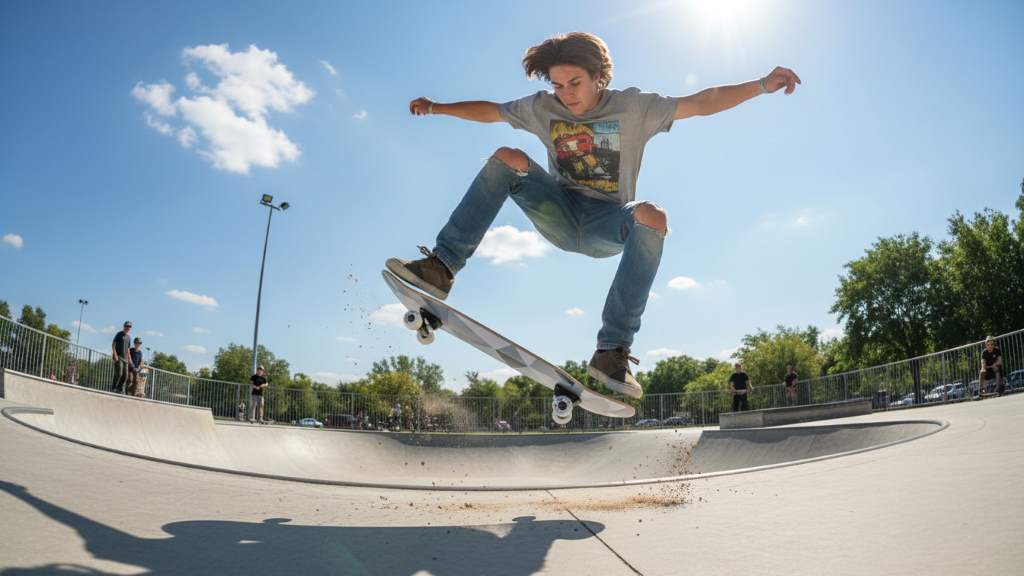
Key Specifications and Build Quality
Quality components define a great junior skateboard. The WhiteFang 31 features a 7-ply Canadian maple deck. This construction ensures flexibility and strength. It withstands impacts from jumps and drops.
Trucks come in aluminum alloy, typically 5 inches wide. They offer stable turns and responsiveness. Wheels measure 52mm with 95A hardness. These provide grip on various surfaces. Additionally, ABEC-9 bearings deliver smooth rolls.
The deck supports up to 220 pounds. Thus, it accommodates most teens comfortably. Grip tape covers the top fully. It prevents slips during pushes or tricks.
Overall, the setup arrives complete and ready to ride. No assembly hassles for eager youth.
Deck and Concave Details
The concave shape locks feet in place. Youth riders benefit from this during balance practice. Moreover, the double kicks enable pop for aerial moves.
Maple layers resist warping. Consequently, the board maintains shape over time.
Trucks, Wheels, and Bearings Breakdown
Aluminum trucks handle carving well. Teens learning turns appreciate the predictability.
PU wheels roll quietly. They absorb minor bumps. However, rough terrain challenges them slightly.
High-precision bearings spin freely. This speeds up rides without excess effort.
Performance on the Streets and Parks
Youth riders test boards in real scenarios. The WhiteFang 31 excels in cruising. Smooth bearings allow effortless pushes. Teens cover distances with ease.
For tricks, the pop impresses. Ollies feel responsive. Kickflips become achievable faster. Many beginners land basics within weeks.
Stability shines during carving. The width prevents wobbles at speed. Furthermore, it handles skate parks adequately for entry-level sessions.
Real-world feedback shows quick progression. One young rider shared landing first tricks confidently. Another noted smooth rides on neighborhood paths.
However, advanced grinds stress components. Intense use may require upgrades later.
Pros of the WhiteFang 31 for Young Skaters
Youth riders gain multiple advantages. Here are the standout pros:
- Durability: Maple deck endures drops and daily use. It outlasts cheaper alternatives.
- Ready to Ride: Fully assembled setup saves time. Teens start skating immediately.
- Smooth Performance: High-rebound wheels and bearings ensure fluid motion.
- Trick-Friendly: Double kicks provide excellent pop. Beginners advance quickly.
- Stability: Wide deck builds confidence. It reduces falls during learning.
- Lightweight: Easy to carry and maneuver. Fatigue sets in slower.
- Versatile: Suits cruising, streets, and basic park tricks.
These features make it a top beginner skateboard for teens.
Moreover, the design appeals visually. Clean graphics motivate riders.
Cons and Potential Drawbacks
No board perfects everything. Honest reviews note these cons:
- Component Limits: Trucks and bearings suit beginners. Advanced riders may upgrade sooner.
- Rough Surface Handling: Hard wheels struggle on gravel. Smooth pavement works best.
- Wheel Bite Risk: Aggressive turns sometimes cause bites. Risers help if needed.
- Pop Fades Over Time: Heavy trick sessions wear the deck eventually.
- Size Consideration: Taller teens might prefer wider boards later.
Despite these, it remains solid for youth starting out.
Adjustments like tightening trucks customize feel.
Safety Tips for Youth Riders
Safety matters most in skateboarding. Injuries affect many young skaters. Helmets reduce head risks dramatically, per CDC data.
Encourage protective gear always:
- Wear a certified helmet.
- Use wrist guards and knee pads.
- Add elbow pads for extra protection.
- Choose closed shoes with grip.
Start slow. Practice falling safely. Moreover, skate in designated areas.
Supervision helps beginners. Gradually build skills.
Skateboarding teaches resilience. Falls happen, but getting up strengthens character.
Benefits Beyond Riding: Physical and Mental Gains
Teens thrive through skateboarding. Physical perks include better coordination and strength. Core and legs work constantly.
Cardiovascular health improves too. Sessions raise heart rates effectively.
Mentally, it relieves stress. Focus on tricks creates flow states. Research links this to reduced anxiety.
Community aspects build friendships. Parks connect diverse riders. Resilience grows from persistent practice.
USC studies confirm these positives. Skateboarding fosters perseverance and joy.
Overall, it shapes well-rounded youth.
Related:
The benefits of outdoor sports
How to Repair a Broken Fishing Rod FAST
Who Should Choose the WhiteFang 31
This board fits specific riders best. Ideal candidates include:
- Beginners aged 10 to 16.
- Teens seeking affordable entry.
- Youth focusing on basics and light tricks.
- Parents wanting reliable junior skateboards.
Intermediate skaters restarting also benefit.
Avoid if pursuing pro-level grinds immediately.
It bridges to advanced setups nicely.
Maintenance for Longevity
Simple care extends life. Clean bearings periodically. Remove dirt with gentle tools.
Check trucks for looseness. Tighten as needed.
Inspect grip tape. Replace if worn.
Store indoors. Avoid extreme moisture.
These steps keep performance peak.
Youth learn responsibility through upkeep.
Conclusion
The WhiteFang 31 delivers strong value for youth riders. Its durable build, smooth ride, and trick potential shine. Pros outweigh cons for beginners. Moreover, it supports physical and mental growth beautifully.
Teens discover freedom and confidence on this board. Safety gear enhances enjoyment. Start with basics, progress steadily.
Ready to roll? Grab protective equipment first. Then, hit the pavement. Watch skills soar. Encourage friends to join. Skateboarding creates lasting memories.
Your young rider deserves a board that inspires. The WhiteFang 31 does just that.
FAQs
Is the WhiteFang 31 good for complete beginners?
Yes, it excels for newcomers. The stable deck and smooth wheels ease learning. Many youth master pushing and turning quickly.
Can teens perform tricks on this board?
Absolutely. Double kicks offer solid pop. Beginners land ollies and flips with practice. It supports progression effectively.
How durable is the WhiteFang 31 for daily use?
Quite durable. The maple deck handles regular sessions. Components last through learning phases. Heavy advanced use may need upgrades.
What age group fits the WhiteFang 31 best?
Primarily 10 to 16 years. Younger kids manage it too. Taller teens transition later if needed.
Does it handle rough surfaces well?
Moderately. Smooth pavement performs best. Hard wheels limit gravel rides. Stick to parks and streets for optimal fun.
References
- U.S. Consumer Product Safety Commission (CPSC) skateboarding injury data: https://www.cpsc.gov/
- USC Pullias Center study on skateboarding benefits: https://pullias.usc.edu/blog/beyond-the-board/
- CDC injury prevention resources: https://www.cdc.gov/injury/
- Skatepark Project (formerly Tony Hawk Foundation) research: https://skateparkproject.org/









+ There are no comments
Add yours