
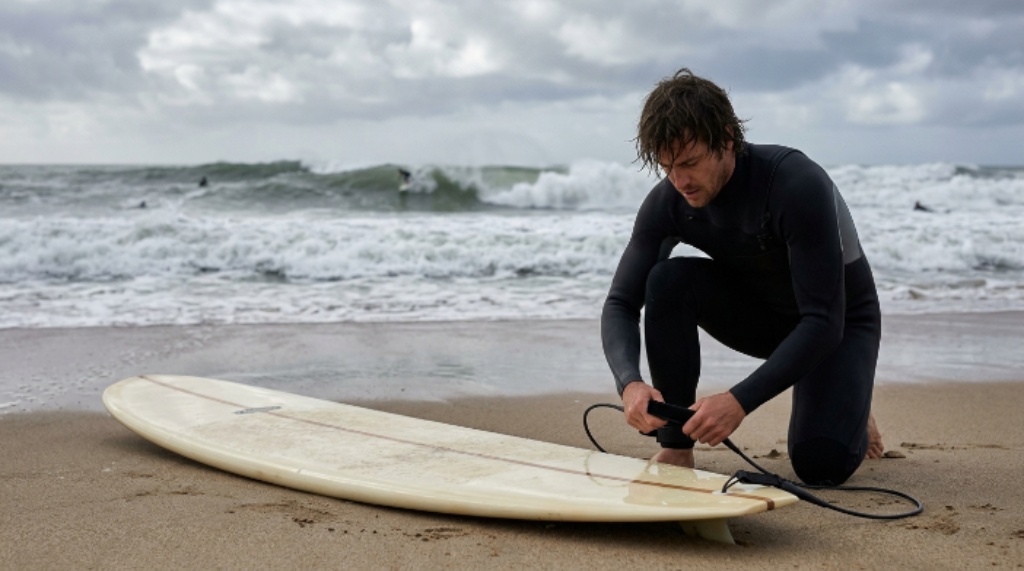
Choosing the right surfboard leash seems simple at first. However, a poor choice can cost you your board — or worse, put you in danger. A leash is your lifeline in the water. Therefore, picking one that holds up through season after season matters more than most surfers realize. This guide walks you through everything you need to know to find a leash built to last.
Why Leash Quality Matters More Than You Think
Many beginners focus on their board and wetsuit, then grab any leash off the rack. That is a mistake. A low-quality leash can snap under tension, tangle around your ankles, or degrade quickly from UV exposure and saltwater. A broken leash in rough surf means a runaway board that can injure other surfers or get destroyed on the rocks.
Additionally, a leash that wears out fast means spending more money over time. Investing in a well-made leash from the start saves you money and keeps you safe. Quality materials and smart design are the two things that separate a leash that lasts one season from one that lasts five.
Understanding Leash Thickness and Length
Thickness is the first thing to check. Leashes are measured in millimeters of cord thickness, typically ranging from 5mm to 8mm. Thicker cords handle more tension without snapping. They are better suited for powerful surf and larger boards.
Length is just as important. A leash should roughly match the length of your board. For a standard shortboard, a 6-foot leash works well. However, if you ride a longboard, you need more cord between you and your board. A longboard leash is generally 9 to 10 feet long. This extra length keeps the board from rebounding back and hitting you after a wipeout.
Matching your leash length to your board length is one of the simplest ways to extend the life of both. A leash that is too short gets stressed with every wave, which accelerates wear and increases the chance of snapping.
Choosing the Right Material
Not all leash cords are created equal. Most leashes use polyurethane, which is flexible, strong, and resistant to the elements. Look for cords that use high-grade polyurethane rather than cheaper alternatives. You can often feel the difference. A high-quality cord springs back to shape after being stretched. A low-grade one stays kinked and limp.
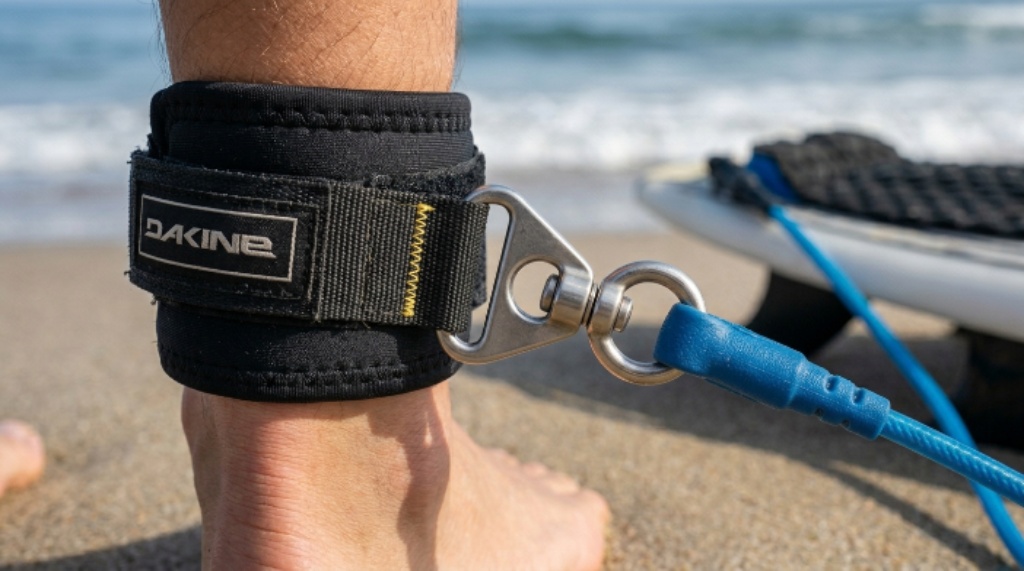
The cuff and swivel are also worth examining closely. The cuff attaches to your ankle, so it needs to be comfortable and secure. Look for double wraps of Velcro and a padded interior so it does not cut into your skin during a long session. The swivel connects the cord to the cuff and allows rotation. A double swivel design reduces tangling significantly, which means less stress on the cord itself.
Therefore, when shopping, check each component. The weakest link — whether cord, swivel, or cuff — is what will fail first.
What Makes a Heavy-Duty Leash Worth It
A heavy-duty leash is built specifically for demanding conditions. These leashes use thicker cords, reinforced attachment points, and stronger rail savers. The rail saver is the section of material that wraps around the tail of your board. Without a good one, the cord can cut into the board’s edge over time.
Heavy-duty leashes are ideal for surfers who ride in powerful beach breaks, reef breaks, or large swells. They are also a smart choice for surfers who surf frequently. The more time your leash spends in saltwater and sunlight, the faster it degrades. A heavier construction simply has more material to wear through before it fails.
Even if you are not surfing big waves, choosing a heavier option adds a safety margin. Additionally, heavy-duty construction often comes with better-quality swivels and cuffs, which makes the entire leash last longer.
Surf Conditions and the Right Leash for Each
Different surf conditions call for different leash specs. Here is a simple breakdown.
Small to medium beach breaks (2–4 feet): A 6mm cord in a length matching your board works well. These conditions are forgiving, and a mid-range leash holds up fine.
Large or powerful surf (5 feet and above): Opt for a thicker 7mm or 8mm cord. Tension spikes dramatically in heavy surf, so extra thickness is essential.
Longboard and log riding: A longboard leash in the 9 to 10-foot range with a coiled or straight design keeps the extra length manageable. Some longboarders prefer a coiled leash because it stays out of the way while walking the board.
River surfing or tidal areas: These environments create unique tangling risks. A shorter, coiled heavy-duty leash works best here.
Matching your leash to conditions reduces stress on the cord and extends its lifespan considerably.
How to Inspect Your Leash Before Every Session
Even the best leash eventually wears out. Therefore, building a quick inspection habit before each surf session can prevent a dangerous snap in the water.
Run the cord through your fingers and feel for cracks, kinks, or stiff spots. Any change in texture is a warning sign. Check where the cord meets the swivel and the rail saver. These junction points bear the most stress and are the first to fail. Look for fraying, discoloration, or any sign that the material is breaking down.
Examine the Velcro on your cuff. Worn Velcro does not grip as firmly and can release under pressure. If the Velcro is collecting lint or losing its stiffness, clean it or replace the leash.
A leash inspection takes less than sixty seconds. However, that sixty seconds can save you a long swim and a damaged board.
Storage and Care Tips That Extend Leash Life
How you treat your leash out of the water matters just as much as how it performs in it. Rinse your leash with fresh water after every session. Salt crystals build up inside the cord and accelerate breakdown from the inside out.
Never leave your leash coiled tightly for long periods. This creates permanent kinks that weaken the cord. Instead, hang it loosely or store it flat. Keep it out of direct sunlight when not in use, as UV radiation degrades polyurethane over time.
Additionally, avoid dragging your leash across sand or pavement. Small abrasions add up, especially near the swivel attachments. Treating your leash with the same care you give your board adds months — sometimes years — to its useful life.
When to Replace Your Leash
No leash lasts forever. As a general rule, replace your leash every one to two years if you surf regularly. If you surf only occasionally, inspect it annually and replace it at the first sign of serious wear.
Replace it immediately if you notice deep cracks in the cord, a swivel that no longer rotates freely, or Velcro that will not stay closed. A leash that has snapped once should also be retired. Even if you tie it back together, the structural integrity is compromised and it is likely to fail again.
The cost of a new leash is far less than the cost of a lost board or an injury. Therefore, do not wait until failure to make the change.
Conclusion
Choosing a durable surfboard leash comes down to a few key decisions. Match the length to your board. Choose thickness based on the surf conditions you typically ride. Look for high-quality materials in the cord, swivel, and cuff. Inspect your leash before every session and rinse it after. Store it properly and replace it when it shows signs of wear.
A well-chosen leash is a quiet piece of gear — you only notice it when it fails. However, with the right selection and a little maintenance, it will keep working reliably for years. Take the time to choose wisely, and you will spend more time surfing and less time swimming after a runaway board.
Frequently Asked Questions
- How long should a surfboard leash last? With regular care and proper storage, a good-quality leash typically lasts one to two years of regular surfing. Infrequent surfers may get three or more years from a single leash, provided it passes regular inspections.
- What thickness leash do I need for big waves? For surf above 5 feet, choose a leash with at least a 7mm to 8mm cord. The extra thickness handles the higher tension loads that come with powerful waves without snapping.
- Is a coiled or straight leash better for longboards? Both work, but many longboarders prefer a coiled leash because it keeps excess cord off the deck while they walk the board. A straight longboard leash offers slightly more freedom of movement in the water.
- Can I use one leash for all my boards? It is possible, but not ideal. A leash should match the length of the board it is used with. Using a leash that is too short for a larger board puts unnecessary stress on the cord and increases the risk of it snapping.
- How do I know when my leash needs to be replaced? Look for cracks, kinks, or stiff spots in the cord. Check for fraying near the swivel and rail saver, and test the Velcro on the cuff. If any of these components show significant wear, replace the leash before your next session.
Related Topics:
Why Is My Car Shaking When Accelerating? Causes and Solutions
LOFE Buckwheat Pillow: Firm Support for Neck and Spine




Leave a Reply