
Homemade pasta has always carried a sense of luxury and authenticity. The aroma of freshly kneaded dough, the silky texture of strands cut to perfection, and the satisfaction of serving pasta that didn’t come from a box—it’s an experience food lovers crave. Yet, the process of making pasta by hand can be time-consuming and intimidating. That’s where modern innovations step in. Among them, the Philips pasta machine, specifically the Philips 7000 Series Pasta Maker, has caught the attention of home cooks and professionals alike. But is it truly worth buying, or is it just another flashy kitchen gadget?
Why the Philips 7000 Series Pasta Maker Stands Out
The Philips 7000 Series Pasta Maker promises convenience without compromising quality. Designed to automate mixing, kneading, and extruding pasta, it aims to transform pasta-making from a laborious task into a quick, enjoyable activity. For anyone who has struggled with sticky dough or uneven textures, this machine offers a solution that feels almost too good to be true.
You can find a detailed breakdown in this Philips pasta machine review, which highlights whether the model is a game-changer or simply hype. This resource is particularly useful for those who want an honest perspective before investing in a premium kitchen appliance.
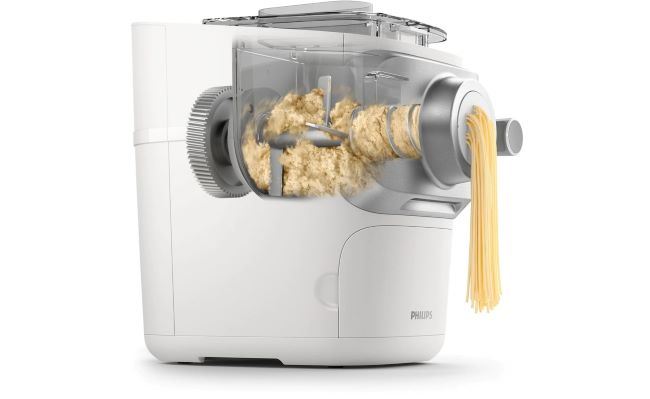
Image Source
Key Features of the Philips 7000 Series Pasta Maker
- Automatic Mixing and Kneading: The machine handles the toughest part of pasta preparation, ensuring consistent dough every time.
- Multiple Shaping Discs: From spaghetti to penne, it allows users to experiment with different pasta types effortlessly.
- Quick Processing Time: Fresh pasta can be ready in under 10 minutes, making it ideal for busy households.
- Compact Design: Despite its advanced features, the pasta maker is designed to fit neatly into most kitchen spaces.
- Easy Cleaning: Removable parts and dishwasher-safe components simplify maintenance.
These features make it appealing not only to pasta enthusiasts but also to those who value efficiency in their cooking routines.
Honest Reviews: The Pros and Cons
Like any product, the Philips 7000 Series Pasta Maker has its strengths and weaknesses. Honest kitchen appliance reviews reveal both sides of the story.
Pros
- Time-Saving: Cuts down pasta preparation from hours to minutes.
- Consistency: Produces uniform pasta with reliable texture.
- Versatility: Supports different flours and recipes, including gluten-free options.
- User-Friendly: Intuitive controls make it accessible even for beginners.
Cons
- Price Point: It’s more expensive than manual pasta makers.
- Noise Level: Some users find it slightly loud during operation.
- Learning Curve: While easier than manual methods, it still requires experimenting with flour-water ratios.
Therefore, while the machine delivers on convenience, potential buyers should weigh its cost against their frequency of use.
Comparing the Philips Pasta Machine to Traditional Methods
Traditional pasta-making involves manual kneading, rolling, and cutting. While this method offers a hands-on, artisanal experience, it demands patience and skill. The Philips 7000 Series Pasta Maker, on the other hand, automates most of the process, allowing even beginners to achieve professional results.
Additionally, the machine’s ability to produce pasta quickly makes it a practical choice for families or individuals who want fresh meals without dedicating hours to preparation. However, purists may argue that it takes away from the artistry of pasta-making. Ultimately, the decision depends on whether convenience or tradition matters more to you.
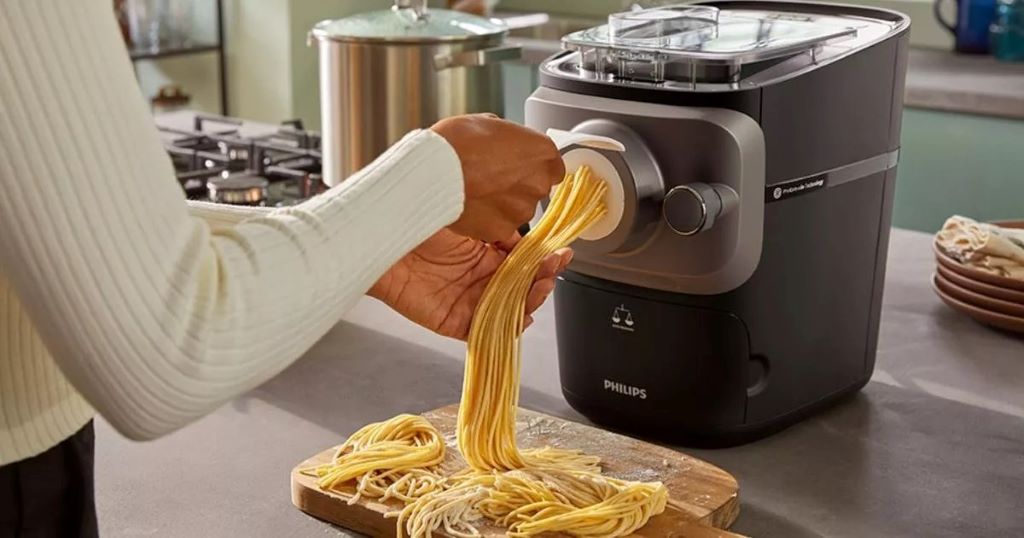
Image Source
Who Should Buy the Philips 7000 Series Pasta Maker?
- Busy Professionals: Those who love fresh pasta but lack time.
- Families: Parents who want to introduce healthier, homemade meals to their children.
- Cooking Enthusiasts: Home chefs eager to experiment with different pasta styles and recipes.
- Health-Conscious Individuals: People interested in controlling ingredients, such as whole wheat or gluten-free flours.
If you fall into any of these categories, the Philips pasta machine could be a worthwhile investment.
FAQs About the Philips 7000 Series Pasta Maker
1. How long does it take to make pasta with the Philips 7000 Series?
It typically takes less than 10 minutes to prepare fresh pasta, depending on the recipe.
2. Can I use gluten-free flour in the machine?
Yes, the pasta maker supports various flours, including gluten-free options, though ratios may need adjustment.
3. Is the Philips pasta machine easy to clean?
Absolutely. Most parts are removable and dishwasher-safe, making cleanup straightforward.
4. Does it come with different pasta shapes?
Yes, the machine includes multiple shaping discs for spaghetti, penne, fettuccine, and more.
5. Is it worth the price compared to manual pasta makers?
If convenience, speed, and consistency are priorities, many users find the investment worthwhile. However, those who enjoy traditional pasta-making may prefer manual tools.
Final Verdict: Is It Worth Buying?
The Philips 7000 Series Pasta Maker is more than just a gadget—it’s a practical solution for modern kitchens. While it comes at a premium price, its ability to deliver fresh, consistent pasta in minutes makes it appealing to a wide audience. Honest reviews suggest that it lives up to most of its promises, though it may not replace the charm of traditional pasta-making for purists. Read More:
Conclusion: Your Next Step
If you’re serious about elevating your cooking experience and want to enjoy fresh pasta without the hassle, the Philips 7000 Series Pasta Maker deserves your attention. It combines innovation with practicality, making it one of the most talked-about kitchen appliances today. Read More: Six Cooking Rules You Can Ignore
Ready to transform your pasta nights? Explore the Philips pasta machine and decide if it’s the right fit for your kitchen. Don’t just read about it—experience the difference yourself.
Featured Image Source






+ There are no comments
Add yours