
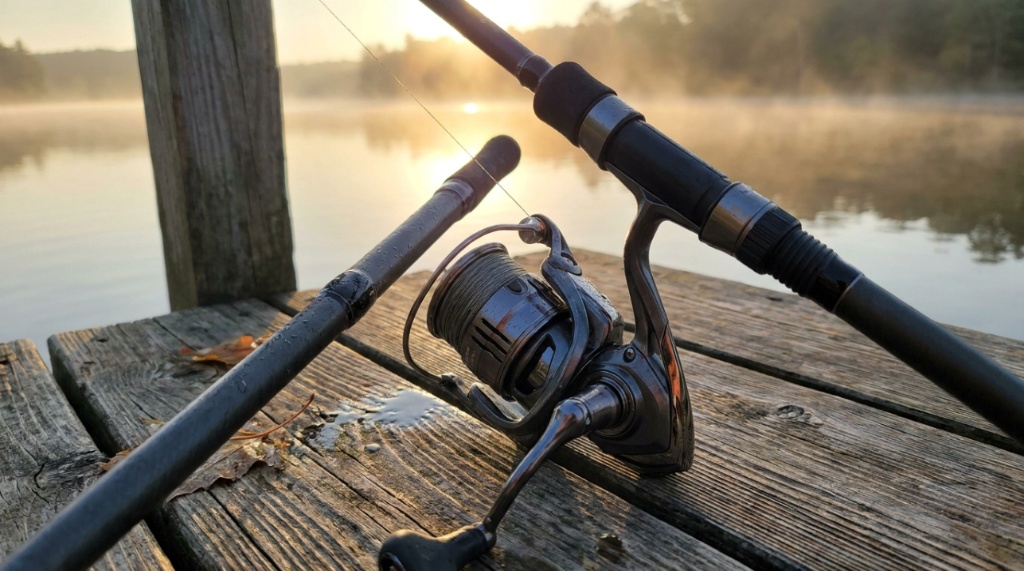
The biggest myth in fishing is that you need expensive gear to catch fish. The truth? A beginner with a $150 setup catches just as many fish as someone with a $1,500 setup — because fish don’t know or care what your gear costs. What matters is having the right rod, reel, line, and basic fishing accessories matched to your target fish and water. Building the ultimate budget fishing setup for beginners means assembling a complete, capable kit that catches fish reliably without the overwhelm and expense that drives many newcomers away from the sport. With smart choices in budget fishing gear, you can get everything you need to start catching fish for around $100–$200, leaving the premium upgrades for when you know you love fishing.
Beginners face a paradox: they need gear to start, but they don’t yet know enough to choose gear wisely — making them easy targets for overspending on equipment that doesn’t match their actual needs. The result is often either overwhelming expense or frustrating cheap gear that fails. The solution is a curated budget setup that prioritizes the right fundamentals: a versatile rod-and-reel combo, appropriate line, essential terminal tackle, and a few key tools. This guide walks you through building the ultimate beginner setup affordably, explaining what to buy, what to skip, and how to assemble budget fishing gear that genuinely catches fish from day one.
What Does a Complete Beginner Fishing Setup Include?
A complete beginner fishing setup includes a rod-and-reel combo, fishing line, terminal tackle (hooks, weights, swivels), a few lures or bait, basic tools (pliers, line cutter), and a tackle box to organize everything.
The complete beginner kit:
- Rod-and-reel combo ($40–$80): The foundation. A matched spinning combo is easiest for beginners and most versatile.
- Fishing line ($8–$15): Monofilament for beginners — forgiving, affordable, easy to handle.
- Terminal tackle ($15–$25): Hooks, sinkers, swivels, bobbers. The small components that connect to your line.
- Lures and/or bait ($15–$30): A small selection of versatile lures, or plan to buy live/prepared bait.
- Basic tools ($25–$40): Fishing pliers/multi tool and line cutter for hook removal and line management.
- Tackle box ($15–$30): Organizes and protects everything.
Total: roughly $120–$220 for a complete, capable beginner setup. This catches fish reliably across most common situations. Everything is chosen for versatility and ease of use rather than specialization.
What Rod and Reel Should a Beginner Buy on a Budget?
Beginners should buy a medium-power spinning rod-and-reel combo in the 6.5–7 foot range — it’s the most versatile, forgiving, and easiest-to-use setup, handling a wide variety of fish and techniques affordably.
Why a spinning combo is ideal for beginners:
- Ease of use: Spinning reels are far easier to learn than baitcasters — no backlash or “bird’s nests” to frustrate beginners.
- Versatility: A medium-power 6.5–7 ft spinning combo handles panfish, bass, trout, catfish, and light saltwater — covering most beginner fishing.
- Affordability: Quality beginner combos cost $40–$80, with the rod and reel pre-matched so you don’t have to choose components.
- Forgiveness: Medium power offers a balance — sensitive enough to feel bites, strong enough to handle decent fish.
Combo recommendations:
- Budget combo ($40–$60): Brands like Ugly Stik GX2, Shakespeare, or Daiwa offer reliable beginner combos. The Ugly Stik is famously durable.
- Better combo ($60–$80): Slightly better reel smoothness and rod sensitivity. Worth it if budget allows.
Avoid baitcasting setups as a beginner — they’re harder to learn and more expensive. Start with spinning, master the basics, and upgrade or branch out later once you know your preferences.
When planning your next destination travel adventure around the world, finding the right spots to cast your line is only half the battle; you also need to ensure you are packed for the elements. Even the best budget-friendly starter rod won’t save your day if your hands are freezing, which is why it is smart to invest in high-quality Fishing Gloves That Work in Rain, Snow, and Cold Conditions before your trip. Keeping your hands warm and dry ensures you can confidently handle your new gear, knot your lines, and successfully land your target fish regardless of what the weather throws at you.
What Fishing Line Is Best for Beginners?
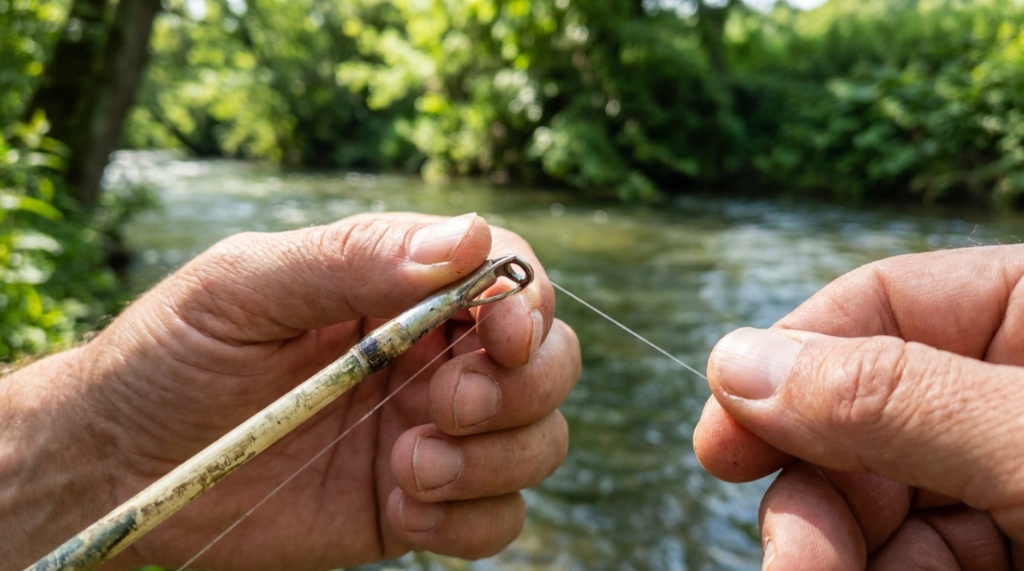
Monofilament line in 8–12 lb test is best for beginners — it’s affordable, forgiving, easy to tie knots with, and stretchy enough to forgive mistakes during hook sets and fights, making it ideal while learning.
Line options explained:
| Line Type | Beginner Friendliness | Pros | Cons |
|---|---|---|---|
| Monofilament | Best | Cheap, forgiving, easy knots, stretchy | Less sensitive, weaker per diameter |
| Braid | Intermediate | Strong, sensitive, thin | Expensive, harder knots, no stretch |
| Fluorocarbon | Intermediate | Invisible underwater, sensitive | Expensive, stiff, harder to handle |
For beginners, monofilament is the clear choice. Its stretch forgives the jerky hook sets and overly aggressive fighting that beginners do, preventing pulled hooks and broken lines. It’s also the cheapest and easiest to tie knots with. Start with 8–12 lb test for general freshwater fishing — heavier for larger fish, lighter for panfish. Graduate to braid or fluorocarbon later once your technique improves and you understand their advantages.
What Terminal Tackle Do Beginners Actually Need?
Beginners need a basic assortment of hooks (sizes 4–8), split-shot sinkers, swivels, and bobbers. This simple terminal tackle handles most beginner fishing situations without overwhelming complexity or expense.
Essential terminal tackle:
- Hooks (sizes 4–8): A variety pack of basic hooks covers most beginner fishing. Start with these versatile sizes for panfish and bass.
- Split-shot sinkers: Small, removable weights that pinch onto the line. Easy to add or remove for adjusting depth.
- Swivels: Prevent line twist and connect line to leaders or lures. A small assortment suffices.
- Bobbers/floats: Suspend bait at a set depth and signal bites. Essential for beginner bait fishing — visual bite detection is easy to learn.
- Optional — leaders: Pre-made leaders for toothy fish or clearer presentation. Add if targeting specific species.
A simple terminal tackle assortment costs $15–$25 and handles the bait-and-bobber fishing that’s perfect for learning. Don’t overbuy specialized terminal tackle — start simple, catch fish, and add specific items as your fishing develops. Many beginner tackle kits bundle these essentials affordably.
Should Beginners Use Lures or Live Bait?
Beginners should start with live or prepared bait for the easiest path to catching fish, then experiment with a few versatile lures as they gain confidence. Bait catches fish more reliably while you’re learning, building the confidence that keeps you fishing.
Bait vs. lures for beginners:
- Live/prepared bait (start here): Worms, minnows, or prepared baits catch fish reliably with minimal technique. The scent and natural presentation attract fish even with imperfect beginner skills. Builds confidence fast.
- Lures (add gradually): Require more technique (retrieval, action, presentation) but are reusable and exciting. Start with a few versatile options once you’re catching fish on bait.
Beginner lure starter selection (if going artificial):
- Inline spinners (easy to use, catch many species)
- Soft plastic worms (versatile, affordable)
- Small crankbaits (cover water, attract active fish)
- Jigs (versatile, effective)
The recommendation: begin with bait to catch fish and build confidence, then gradually experiment with lures as your skills grow. Catching fish early — even on simple bait — is what hooks beginners on the sport. Don’t let lure complexity discourage you initially.
What Tools Should Be in a Beginner’s Budget Setup?
A beginner’s budget setup needs fishing pliers (or a multi tool) for hook removal, line cutters for clean cuts, and optionally a hook disgorger for deeply hooked fish. These basic tools handle the practical tasks every fishing trip involves.
Essential beginner tools:
- Fishing pliers or multi tool ($20–$40): For removing hooks safely from fish (and occasionally from yourself), crimping, and general tasks. A multi tool maximizes value by combining functions.
- Line cutters ($5–$15): Clean line cuts for tying knots and cutting tags. Regular scissors struggle with fishing line, especially braid.
- Hook disgorger ($5–$10): Helps remove deeply set hooks safely, protecting both you and the fish. Useful for bait fishing where deep hooking is common.
These tools total $30–$65 and handle the practical, hands-on tasks of fishing — primarily hook removal, which every trip involves. A quality multi tool is the smartest single tool purchase, combining several functions affordably. Don’t fish without at least pliers; removing hooks by hand is difficult and risks injury from both the hook and the fish.
How Do You Avoid Overspending as a Beginner?
Avoid overspending by buying a combo (not separate rod and reel), choosing versatile gear over specialized, starting with monofilament and basic tackle, skipping premium brands initially, and resisting the urge to buy gear for fishing you don’t yet do.
Overspending-prevention tips:
- Buy combos, not components: Pre-matched rod-and-reel combos cost less than buying separately and remove the guesswork.
- Choose versatile over specialized: One medium-power setup handles many situations. Don’t buy multiple specialized rods as a beginner.
- Start with basics: Monofilament line and basic tackle are affordable and effective. Save premium line and specialized tackle for later.
- Skip premium brands initially: Reliable budget brands (Ugly Stik, Shakespeare) perform well for beginners. You don’t need premium until you know your preferences.
- Don’t buy for hypothetical fishing: Buy for the fishing you’ll actually do now, not the saltwater/fly/specialized fishing you imagine doing someday.
- Use starter kits: Beginner tackle kits bundle terminal tackle affordably versus buying everything separately.
How Do You Upgrade a Beginner Setup as You Improve?
Upgrade gradually as you identify your fishing preferences — adding specialized rods for specific techniques, upgrading line to braid or fluorocarbon, expanding lure selection, and investing in better tools as your skills and commitment grow.
Smart upgrade path:
- Identify your focus: As you fish, you’ll gravitate toward certain species and techniques. Upgrade toward that focus.
- Add specialized rods: Once you know your style, add rods suited to it (lighter for panfish, heavier for bass, etc.).
- Upgrade line: Graduate to braid (sensitivity, strength) or fluorocarbon (invisibility) as your technique improves.
- Expand lures: Build a lure collection suited to your target species and waters.
- Better reel: A smoother, higher-quality reel is a worthwhile upgrade once you fish regularly.
- Quality tools: Upgrade to premium corrosion-resistant tools, especially for saltwater.
The principle: let your actual fishing guide your upgrades. Start versatile and budget, discover what you love, then invest specifically in that. This ensures every upgrade dollar goes toward fishing you actually do, rather than a generic “complete” collection. Your setup evolves with your skills and interests.
Conclusion
Building the ultimate budget fishing setup for beginners proves that you don’t need expensive gear to catch fish — a complete, capable setup costs $120–$220 and catches just as many fish as setups costing ten times more. The key is choosing the right fundamentals: a versatile medium-power spinning combo, forgiving monofilament line, basic terminal tackle, reliable bait or a few lures, and essential tools led by a quality multi tool.
Start versatile and affordable, prioritize ease of use and reliability over specialization, and resist the urge to overspend on gear for fishing you don’t yet do. Begin with bait to catch fish and build confidence, then expand gradually as you discover your preferences. Maintain your gear well, and it’ll serve you for years. Follow this approach and you’ll have everything needed to start catching fish from day one — without the expense and overwhelm that drives so many beginners away. Smart, simple, and affordable beats expensive and complicated every time when you’re learning.
What do you want to catch and where will you fish? Share in the comments — I’ll help you build the specific budget setup that matches your target fish and local waters.
Frequently Asked Questions
How much does a beginner fishing setup cost?
A complete beginner fishing setup costs $120–$220, including a rod-and-reel combo, line, terminal tackle, bait or lures, basic tools, and a tackle box. This catches fish reliably across most common situations — just as effectively as setups costing far more. Fish don’t care what your gear costs.
What’s the best fishing rod and reel for beginners?
A medium-power spinning rod-and-reel combo in the 6.5–7 foot range is best for beginners. It’s versatile (handles many fish), easy to use (no backlash like baitcasters), forgiving, and affordable ($40–$80). Brands like Ugly Stik GX2 and Shakespeare offer reliable, durable beginner combos.
What fishing line should beginners use?
Monofilament in 8–12 lb test is best for beginners. It’s affordable, forgiving (stretch prevents pulled hooks and broken lines during beginner mistakes), easy to tie knots with, and easy to handle. Graduate to braid or fluorocarbon later as your technique improves and you understand their advantages.
Should beginners use bait or lures?
Beginners should start with live or prepared bait — it catches fish reliably with minimal technique, building the confidence that keeps you fishing. The natural scent and presentation attract fish even with imperfect beginner skills. Experiment with a few versatile lures gradually as your confidence and skills grow.
What tools does a beginner angler need?
Beginners need fishing pliers or a multi tool (for hook removal), line cutters (for clean cuts), and optionally a hook disgorger (for deeply hooked fish). A quality multi tool is the smartest single purchase, combining several functions affordably. Never fish without at least pliers for safe hook removal.
How do I avoid overspending as a beginner angler?
Buy a combo instead of separate rod and reel, choose versatile gear over specialized, start with monofilament and basic tackle, skip premium brands initially, and don’t buy gear for fishing you don’t yet do. Use beginner tackle kits that bundle essentials affordably. Match purchases to your actual current fishing.
When should I upgrade my beginner fishing gear?
Upgrade gradually as you identify your fishing preferences. Once you know your focus (species, technique), add specialized rods, upgrade to braid or fluorocarbon line, expand your lure selection, and invest in a better reel and quality tools. Let your actual fishing guide upgrades rather than buying everything upfront.


Leave a Reply