
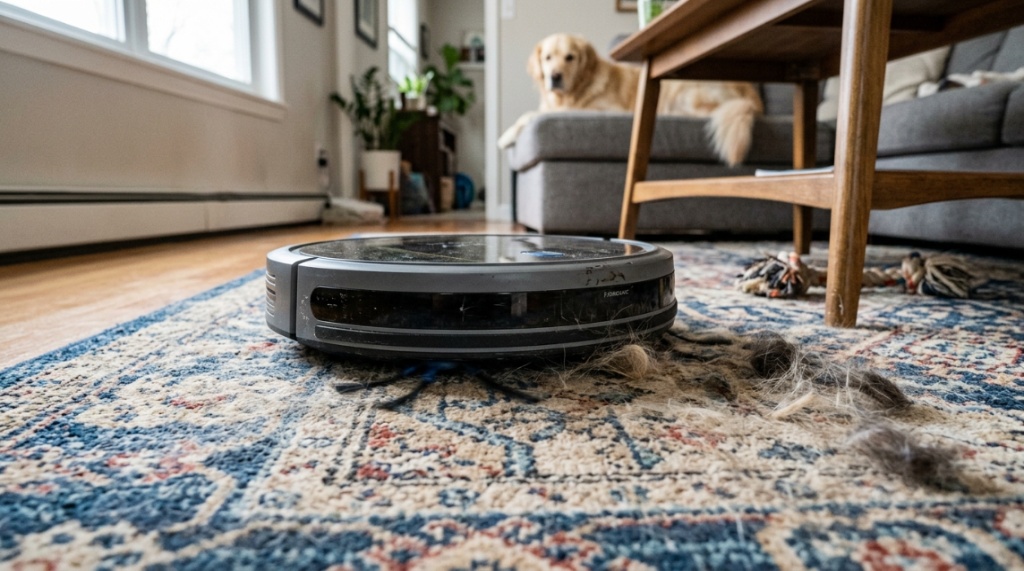
You love your furry friend, but you are tired of living in a fur coat. Pet hair clings to your carpets, floats across your hardwood floors, and somehow ends up in your coffee. You want a solution that does not drain your bank account. The good news is that modern budget robot vacuums for pet hair have evolved to handle the mess without requiring a second mortgage. This guide will show you exactly how to choose, set up, and maintain an affordable robot vacuum so you can finally win the battle against pet hair.
What Features Should You Look for in a Budget Robot Vacuum for Pet Hair?
Not all cheap robot vacuums are created equal. For pet hair, you need specific engineering that prevents tangles and ensures strong suction. Focus on brush design, suction power, and filtration rather than flashy app features.
Brush Design: Tangle-Free vs. Standard Bristles
Standard bristle brushes wrap pet hair tightly around the axle, forcing you to cut it out with scissors every week. Look for models with rubberized treads or tangle-free roller designs. Brands like Eufy and iRobot now offer budget models with rubber extractors that literally flick hair into the dustbin. This single feature saves you ten minutes of maintenance per cleaning session.
Suction Power Meets Noise Levels
Budget models typically offer 1,500 to 2,500 Pascals of suction. For pet hair on low-pile carpet, 1,800 Pa is sufficient. For thick rugs or long-haired breeds, aim for 2,200 Pa or higher. The trade-off is noise. Stronger suction usually means more decibels, so schedule cleaning when you are out of the house.
Filtration Matters More Than You Think
Pet dander triggers allergies. A budget robot vacuum with a HEPA-type filter captures microscopic particles and prevents them from being blown back into the air. Check the product specifications. If the filter is washable, you save money on replacements. If it is disposable, stock up during sales.
Which Budget Robot Vacuum Model Works Best for Thick Pet Hair?
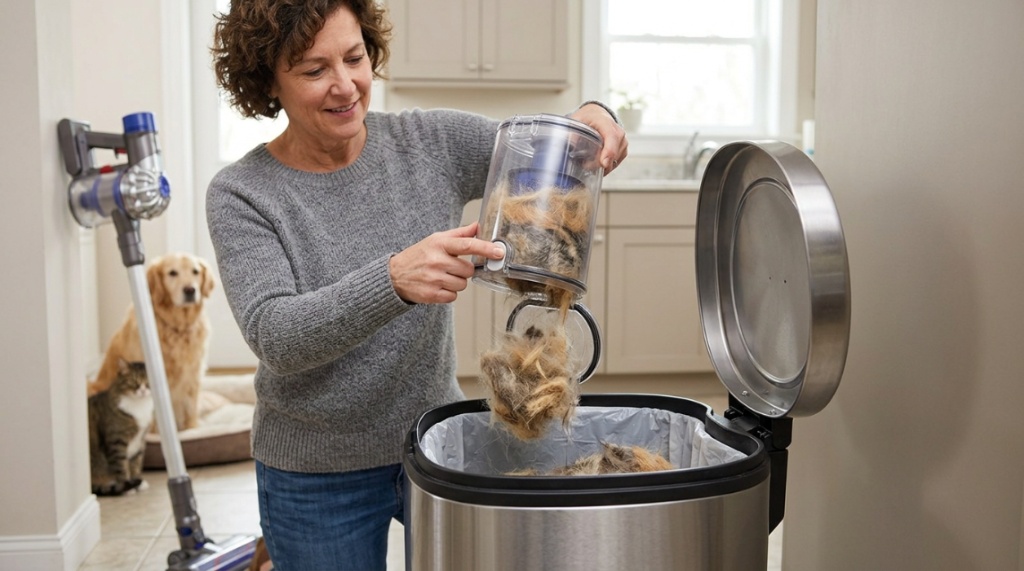
Thick dog hair from breeds like Golden Retrievers or Huskies clogs ordinary vacuums quickly. You need a model with a large dustbin and a powerful motor that does not stall under heavy loads. The answer is often a hybrid unit that also mops.
Top Picks for Heavy Shedders
Several models under $300 handle dense fur effectively. The Eufy RoboVac 11S Slim offers strong suction in a low-profile body that slides under furniture. The ILIFE V3s Pro uses tangle-free brushes and costs under $200. For a newer option, the Shark AI Robot with self-emptying base (often on sale) provides exceptional value. Each of these models has a dustbin capacity of at least 400ml, which is critical for multiple-pet households.
Why Dustbin Size is a Dealbreaker
A tiny dustbin forces the robot to return to its base mid-cleaning to empty itself. If your budget vacuum does not have auto-empty technology, you must empty the bin manually every 30–40 minutes. Look for models with at least 500ml capacity for uninterrupted cleaning. Some budget robot vacuums for pet hair now feature larger bins without increasing the price significantly.
How Do You Set Up a Robot Vacuum for Maximum Pet Hair Removal?
Setup is where most people fail. You cannot just press a button and walk away. You need to prepare your home and program the robot correctly to achieve deep hair removal on the first pass.
Prepare Your Floors Before First Run
Pick up loose items like toys, shoes, and thin rugs that the robot might eat. Pet hair hides under furniture and along baseboards. Move chairs onto tables if possible. This allows the robot to reach the edges of the room where hair accumulates. Use the included boundary strips to block off areas with loose cables or pet water bowls.
Schedule Daily Cleaning Sessions
Pet hair builds up fast. Set your robot to run once in the morning and once in the evening. Most budget models allow scheduling through a phone app. Set the mode to max suction for carpeted areas and lower suction for hard floors to save battery. The robot will return to its charger automatically when low.
Optimize Navigation for Hair Hotspots
If your pet sleeps on a specific rug or spends time in the living room, use the app to create a no-go zone or a cleaning focus zone. Many budget models now support spot cleaning, which directs the robot to spiral aggressively over a small area. Use this for the rug by the door where muddy paw prints mix with shed hair.
Why Does Your Robot Vacuum Stop Collecting Pet Hair After a Few Weeks?
Performance drop is common and frustrating. The cause is almost always maintenance neglect. Hair wraps around internal components, clogs the filter, or fills the bin to capacity. Understanding why this happens lets you fix it in under five minutes.
Common Maintenance Mistakes
You forget to empty the dustbin after every use. Ignore the filter until it turns gray never remove hair from the side brushes. These three mistakes reduce suction by up to 50%. Make it a habit to empty the bin and tap out the filter after every cleaning cycle. Once a week, flip the robot over and cut hair from the wheels and brush axle with the included cleaning tool.
Deep Cleaning the Roller Brush
Even tangle-free rollers require periodic deep cleaning. Remove the brush and run it under warm water to dislodge oil and dirt that attract hair. Dry it completely before reinstalling. If you see the rubber fins tearing, replace the brush immediately. A damaged brush cannot agitate the carpet fibers to release embedded hair.
How Can You Improve Hair Pickup on Carpets with a Budget Robot?
Carpets are the hardest surface for budget robots because hair gets trapped deep in the fibers. You can improve pickup without upgrading to a more expensive model by adjusting your technique and floor preparation.
Pre-Treat High-Traffic Areas
Before the robot runs, use a rubber broom or squeegee to lift embedded hair from low-pile carpets. This brings the hair to the surface where the robot can suction it easily. This simple step doubles the amount of hair collected per cleaning session. You will be shocked at how much the rubber broom pulls out.
Use the Right Cleaning Mode
Budget robots often have an edge-cleaning mode and a spot-cleaning mode. On carpets, use the normal or turbo mode rather than quiet mode. Quiet mode reduces suction too much for effective hair removal. If your model has a carpet boost sensor, enable it. The robot will automatically increase power when it detects a change from hard floor to carpet.
Reduce Friction with a Hardwood Pre-Wash
If you have a combo mopping robot, use the mop function on hardwood areas first. A slightly damp floor reduces static electricity, which makes it easier for the vacuum to pick up hair. Do not mop carpets, obviously, but the pre-mopped hard floors will leave less hair to be tracked onto carpet later.
Is a Wet and Dry Robot Vacuum Worth It for Pet Owners on a Budget?
Combination units that vacuum and mop in one pass sound perfect, but they have trade-offs. The mopping function is rarely as effective as a dedicated mop. However, for light daily cleaning of muddy paw prints and dried drool, a wet-dry budget robot is a game changer.
When Mopping Helps with Hair Removal
Mopping traps loose hair that the vacuum missed. The damp cloth picks up fine hairs and dust that float past the vacuum intake. This is especially useful on tile or vinyl floors where static pushes hair into corners. Use a disposable mopping cloth and replace it after each use to avoid spreading dirt.
When to Skip the Mop Feature
If you have wall-to-wall carpet, a mopping robot is useless. You also need to refill the water tank manually and empty the dirty water reservoir. For budget models under $250, the mopping system is basic. It drags a wet cloth across the floor rather than scrubbing. For pet households that mostly have hard floors, it is still valuable for daily maintenance.
While keeping your floors free of fur and dander is a massive step toward a fresh home, true pet hygiene starts with the animal itself. Along with running your automated vacuum daily, using targeted solutions like Dog Ear Cleaner Wipes for Smelly Ears prevents odor buildup at the source, keeping both your carpets and your pets smelling clean.
Can a Budget Robot Vacuum Handle Long Hair Without Tangling?
Long human hair and pet hair behave differently. Pet hair is shorter and more brittle, but it can still wrap around axles. Budget robots have improved significantly, but no model is completely immune to tangles. The key is choosing the right brush type and performing maintenance.
Rubber Extractors vs. Bristle Brushes
Rubber extractor brushes, like those found on cheaper Roomba clones, do not have bristles for hair to wrap around. They rely on a rubber tread that flicks hair into the suction path. These are excellent for long pet hair. Bristle brushes, on the other hand, require frequent cleaning. If you have a long-haired cat or dog, prioritize a rubber roller design.
Weekly Hair Removal Routine
Even with rubber brushes, hair accumulates on the axles and wheels. Once a week, remove the brush and check the bearings. Use the included comb tool to strip hair from the rubber fins. Check the side brushes too. A small piece of hair wrapped around the side brush reduces its efficiency by 30%. Keep a pair of scissors near the charging station for quick snips.
How Do You Maintain a Budget Robot Vacuum to Last for Years?
A budget robot vacuum is an investment in convenience. With proper care, it can last three to five years. Neglect it, and it will fail in six months. The maintenance is simple and takes less than ten minutes per week.
Filter Care and Replacement Schedule
Washable filters should be rinsed under cold water every two weeks. Do not use soap. Let them dry completely for 24 hours before reinstalling. Disposable filters should be replaced every three months. Set a recurring calendar reminder on your phone. A clogged filter causes the motor to overheat and fail permanently.
Battery Optimization Tips
Lithium-ion batteries degrade if you let them drain completely. Always return the robot to its charger after each use. If you store the vacuum for more than a month, charge it to 50% and store it in a cool, dry place. Avoid leaving it on the charger 24/7. A smart outlet that cuts power after full charge helps extend battery life.
Sensor and Wheel Cleaning
Dust and hair clog the cliff sensors (which prevent falls) and the bumper sensors. Wipe them with a dry microfiber cloth every month. Clean the wheels with a damp cloth to remove the grime that builds up from wet floors. If a wheel stops turning, the robot will spin in circles. A little maintenance prevents this.
What Mistakes Do Most People Make When Using Budget Robot Vacuums for Pet Hair?
Common errors turn a helpful device into a headache. Knowing these pitfalls saves you time and money. Most mistakes come from unrealistic expectations or ignoring the manual.
Expecting a Single Pass to Clean Everything
Budget robots are designed for daily maintenance, not deep cleaning. They pick up surface hair and dust. You still need a full-sized vacuum for weekly deep cleans of carpets and upholstery. Accepting this limitation makes the robot a partner rather than a disappointment.
Ignoring the Need for a Clean Base
The robot returns to its charging base after cleaning. If the base is dirty or blocked, the robot cannot dock properly. Keep the area around the base clear of cords and furniture. The base itself needs cleaning. Dust builds up on the charging contacts, preventing the battery from charging effectively. Wipe the contacts with a dry cloth monthly.
Using the Wrong Floor Type Setting
Many budget robots have a setting for carpet vs. hard floor. If you set it to hard floor when you have carpet, the robot runs at lower suction and skips the carpet boost. Check your app settings. If the robot is not lifting hair from your rug, the floor type setting is likely wrong.
How Do You Clean Pet Hair from Upholstery with a Robot Vacuum?
Robot vacuums primarily clean floors, but you can adapt them for furniture. The low profile of a budget robot allows it to slide under some sofas and chairs. For above-floor cleaning, you need a different approach.
Using the Robot as a Pre-Cleaner for Furniture
Place the robot on a low sofa or loveseat. Remove cushions first. Let the robot run across the seat surface. The suction will lift loose hair, but it will not deep-clean the fabric. This is useful for quick touch-ups between professional cleanings. Do not attempt this on high furniture or surfaces the robot might fall from.
Alternative Solutions for Deep Upholstery Cleaning
For couch cushions and pet beds, use a handheld vacuum or a rubber glove. Dampen your hand slightly and rub the fabric in circles. The hair clumps together and rolls off. This trick works better than most attachments. Pair it with your robot vacuum running on the floor below to catch falling hair.
Frequently Asked Questions
Will a budget robot vacuum pick up cat litter?
Yes, most budget models with strong suction (over 1,500 Pa) pick up scattered cat litter. However, larger clay clumps can clog the dustbin. Empty the bin after each cleaning to maintain performance. Robots with rubber brushes handle litter better than bristle brushes.
How often should I run my robot vacuum in a pet home?
Run it once per day for moderate shedding. For heavy shedders or multiple pets, run it twice daily—once in the morning and once in the evening. Scheduling helps keep hair under control without manual effort.
Can a budget robot vacuum replace a regular vacuum?
No, it cannot replace a full-sized upright for deep carpet cleaning. Budget robots excel at daily maintenance. You should still use a regular vacuum once a week for corners, stairs, and thick carpets. Think of the robot as your daily helper, not your only tool.
Are cheap robot vacuums loud?
Most budget models produce noise between 55 and 70 decibels. This is similar to a conversation or a dishwasher. Some budget models have a quiet mode, but that reduces suction. If noise is a concern, schedule cleaning when you are at work or sleeping in another room.
Do I need to buy replacement parts for budget robot vacuums?
Yes, filters, brushes, and side brushes wear out. Plan to replace the main brush every six months and the filter every three to six months. Side brushes last longer, but they bend over time. Replacement parts are cheap and widely available online.
What is the best budget robot vacuum for pet hair under $300?
The Eufy RoboVac 11S Max and the ILIFE V3s Pro are top contenders. Both feature strong suction, tangle-free brushes, and large dustbins. The Eufy offers better app control, while the ILIFE is simpler and slightly cheaper.
Can I use a robot vacuum if my pet has accidents inside?
Do not let the robot vacuum over wet urine or feces. The mess will smear across your floor and ruin the robot. Always clean solid and liquid waste manually before running the vacuum. Some budget robots have sensors that avoid liquid, but it is safer to check the floor visually first.
Conclusion
Living with pets does not mean living with hair everywhere. A budget robot vacuum, chosen carefully and maintained well, handles the daily fur onslaught without breaking your budget. Focus on a model with a rubber brush, adequate suction for your floor type, and a large dustbin. Set it to run daily, empty the bin after each use, and clean the filter every two weeks. Your floors will stay visibly cleaner, and your allergies will thank you. Do not wait for the fur to take over. Pick a reliable model, set it up tonight, and wake up to a cleaner home every morning.




Leave a Reply