
Introduction
Modernizing your home’s electrical system is not just a practical upgrade—it’s a pivotal investment in your property’s safety, long-term value, and overall adaptability to changing technologies. Today’s modern homes are expected to support a wide array of devices and smart technologies, and outdated wiring or insufficient infrastructure can quickly fall behind ever-growing demands. Undertaking an electrical modernization means you’re not only protecting your family and enhancing reliability but also opening doors to convenience, efficiency, and a higher quality of life. Forward-thinking solutions such as whole-home rewiring address aging electrical components, eliminating common risks like overloaded circuits, outdated fuse boxes, and potential fire hazards. With a strong, updated foundation, you can easily incorporate automation, eco-friendly features, and the latest technology, making your daily routines truly seamless and enjoyable.
Upgrading your home’s electrical infrastructure is also about preparing for a dynamic future. As utility regulations shift, energy costs rise, and more devices rely on electricity, staying ahead means adopting smart, efficient systems today. Enhancing your home’s electrical system ensures compliance with modern building codes and safety standards, while also offering adaptability for the introduction of electric vehicles, renewable energy sources, and interconnected smart environments. Read on to explore creative pathways to revitalize your electrical system, blending innovative technology with sustainability and forward-thinking comfort.
Smart Home Integration
Incorporating smart home technology stands out as one of the most transformative upgrades for a contemporary household, especially when combined with home electrical renovations. Today’s smart systems—ranging from intuitive thermostats and automated lighting to sleek security cameras and multifunctional voice assistants—reimagine how families interact with their living spaces. Smart thermostats, for instance, adapt to your habits, learning when to warm or cool your home for optimal comfort while minimizing energy waste. These devices can even be scheduled or triggered remotely, allowing you to optimize settings before you return home or when you forget to adjust them on the way out.
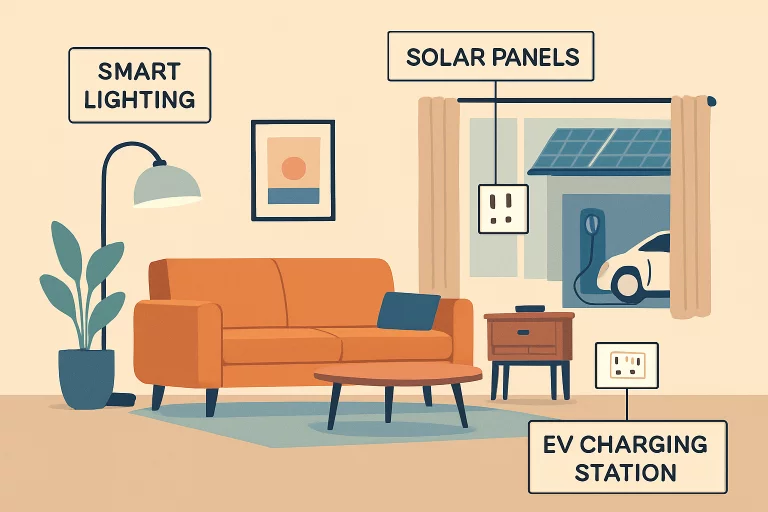
Automated lighting is another pillar of smart home integration. With programmable switches, motion detectors, and wireless controls, you can instantly brighten or dim spaces or adjust them based on activity. Imagine lights gradually brightening in the morning to ease you into the day or automatically shutting off in empty rooms—these features help conserve energy and extend bulb life. The integration of robust home networks means your smart devices are always accessible: whether you’re monitoring security cameras, answering the door remotely, or receiving alerts to your phone, your home becomes both a secure haven and a dynamic, responsive environment. For those seeking optimal control, integrating your smart home technology into a unified system transforms daily tasks, offering peace of mind and unprecedented convenience right at your fingertips.
Energy-Efficient Lighting
Upgrading your lighting is one of the fastest and most cost-effective ways to see immediate improvements in both energy consumption and the atmosphere of your home. Swapping out traditional incandescent bulbs for LEDs can cut lighting energy costs by up to 75%, release less heat, and last years longer—sometimes over a decade per bulb. These savings are not only reflected in utility bills but also in maintenance, as fewer bulb replacements result in reduced effort and expense over time. Today, smart bulbs take these benefits even further, allowing you to adjust color tones, brightness, and scheduling to match moods or daily routines, all from a mobile app or home automation system.
Evolving your lighting plan by adding dimmers and occupancy sensors in rooms such as bathrooms, hallways, and outdoor spaces can ensure that lights only turn on when truly needed. Adjustable color temperature options empower you to tailor your space for optimal productivity, relaxation, or entertainment. Whether you want warm, inviting tones for a cozy evening or bright, energizing light for reading and work, modern lighting solutions provide creative flexibility while promoting responsible, eco-friendly energy habits.
Advanced Circuit Protection
Electrical safety has never been more crucial, especially as we rely on an increasing number of devices and sophisticated appliances in our daily lives. While traditional circuit breakers serve as the first line of defense, newer innovations such as Arc Fault Circuit Interrupters (AFCIs) and Ground Fault Circuit Interrupters (GFCIs) significantly elevate protection levels. AFCIs detect and mitigate dangerous electrical arcs—often caused by corroded wires or loose connections—which are a common source of catastrophic house fires. By acting before damage occurs, AFCIs add a crucial, proactive layer of security to bedrooms, living areas, and more.
GFCIs, meanwhile, are indispensable in areas where electricity and moisture may mix, like kitchens, bathrooms, garages, and outdoor outlets. These devices immediately cut off power if a ground fault is detected, sharply reducing the risk of electrical shock. Many current building regulations now mandate these protective components in both new builds and renovations, reinforcing their role as a safety essential. Upgrading to advanced circuit protection can not only help ensure family safety but also keep your home compliant with evolving safety codes and best practices.
USB-Compatible Outlets
The explosion of digital devices has made charging a daily necessity, and modern homes that feature USB-compatible outlets respond directly to this universal need. These upgraded outlets integrate USB charging ports, often including USB-C to support fast charging for newer phones, tablets, and laptops. By installing these outlets in central gathering areas—think kitchens, family rooms, entryways, or home offices—you can minimize countertop clutter and keep essential devices powered without the hassle of clunky adapters or power bricks.
Beyond convenience and organization, upgrading to USB-compatible outlets ensures your electrical infrastructure is aligned with modern technology trends. This simple, cost-effective improvement supports multiple chargers simultaneously and frees up standard outlets for traditional appliances, making your smart devices more accessible to family members and guests. As our reliance on portable electronics grows, having versatile charging options built into your home’s electrical system is a hallmark of thoughtful modern design.
Renewable Energy Solutions
With rising awareness of environmental stewardship and the cost of utilities, renewable energy solutions are at the forefront of residential electrical upgrades. Solar panels, in particular, have become more affordable, durable, and efficient, enabling homeowners to generate clean power even with limited roof space. The environmental benefits are substantial: generating electricity from sunlight reduces carbon emissions, dependence on fossil fuels, and, over time, significantly cuts annual energy expenses. For those seeking maximum utility, modern solar systems can be connected directly to the power grid, allowing you to sell excess energy back to your provider and further offset your costs.
Pairing solar panels with advanced home battery solutions brings new levels of resiliency and independence. Stored solar energy protects your home from outages and keeps essential systems running during emergencies. These technologies not only improve sustainability but also offer peace of mind, eliminating worries about unpredictable energy supply or surging costs. If you’re considering a leap toward energy autonomy, renewable energy solutions put you firmly on a path to a greener, more self-sufficient future.
Electric Vehicle Charging Stations
The popularity of electric vehicles is soaring, making the installation of a dedicated home charging station a forward-thinking investment. Unlike basic wall outlets, Level 2 EV chargers offer faster charging and the capacity for smart programming. Many can be linked with your home’s energy management platforms or paired directly with solar panels, enabling you to synchronize charging during off-peak hours or maximize the use of green energy. This means you can fuel your vehicle overnight when rates are lowest or even ensure your EV is powered by the sun.
Installing an EV charger at home not only simplifies daily routines but also significantly increases your property’s resale value, as prospective buyers increasingly search for EV-ready homes. The convenience of charging your vehicle from the comfort of your garage or driveway prepares you for the future of transportation while reducing dependency on public charging infrastructure. For practical advice and detailed information on the benefits of home EV charging, visit this authoritative resource from the U.S. Environmental Protection Agency.
Embracing modern electrical upgrades is more than a renovation—it’s a meaningful journey toward safer, smarter, and eco-conscious living. By incorporating creative solutions like smart home integration, advanced lighting, robust circuit protection, USB-compatible outlets, renewable energy, and EV charging, your home will be equipped to thrive amidst evolving technology and lifestyle demands.












+ There are no comments
Add yours