
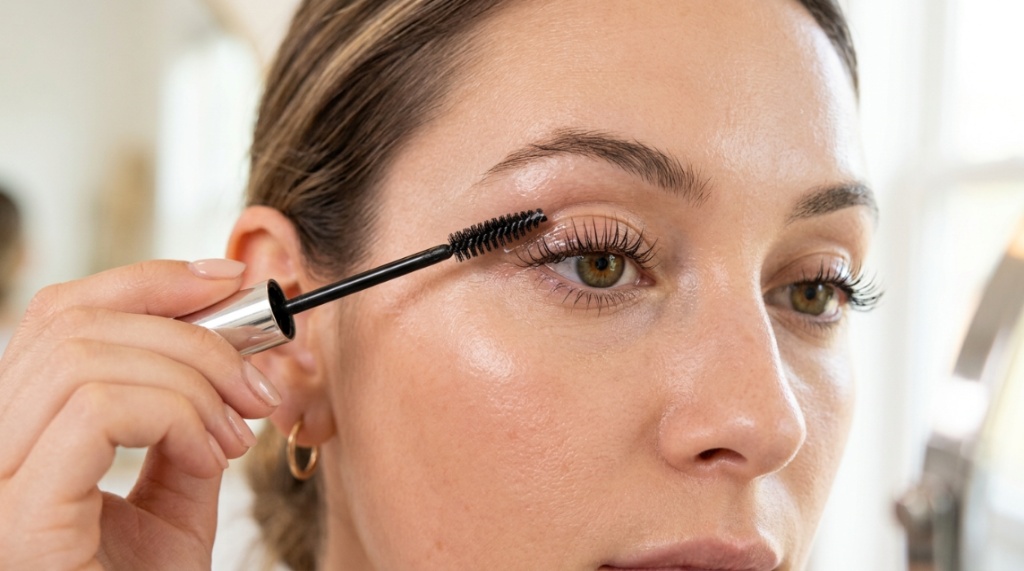
You dream of fluttery, dramatic lashes that make your eyes pop—but every time you try a new serum or mascara, your lids end up red, puffy, or stingy. It’s frustrating. You want longer lashes without irritation, not a painful reaction that ruins your week. The good news? You can absolutely achieve length and volume without sacrificing comfort. The secret lies in choosing the right ingredients, applying products correctly, and avoiding common triggers. In this guide, I’ll walk you through the most effective, gentle methods for growing and enhancing your natural lashes—so you can wake up looking bright-eyed, not bloodshot.
What Causes Lash Irritation in the First Place?
Irritation happens when your eyes react to harsh chemicals, preservatives, or physical trauma. The skin around your eyes is the thinnest on your body—less than 1 mm thick—so it absorbs ingredients rapidly and reacts easily.
Common Irritants Found in Lash Products
- Prostaglandin analogs (isopropyl cloprostenate, bimatoprost): These are powerful growth agents, but they often cause redness, itching, and darkening of the eyelid skin.
- Parabens and sulfates: Preservatives that can strip natural oils and trigger allergic responses.
- Fragrance and essential oils: Even “natural” lavender or peppermint can burn sensitive eyes.
- Adhesives and glues: Lash extensions use cyanoacrylate-based glues that many people are allergic to.
How Your Skin Type Affects Irritation Risk
If you have oily eyelids, products may migrate into your eyes faster. If you have dry or eczema-prone skin, you’re more likely to react to preservatives. Knowing your skin type helps you avoid formulations designed for different needs.
Which Lash Serums Are Safe for Sensitive Eyes?
Look for serums labeled “ophthalmologist-tested” and “fragrance-free.” The safest formulas use peptides, biotin, and hyaluronic acid instead of prostaglandins. These ingredients stimulate growth without disrupting your eyelid’s delicate microbiome.
Ingredients That Promote Growth Without Pain
- Peptides (copper tripeptide-1, myristoyl pentapeptide-17): Signal hair follicles to enter the growth phase.
- Biotin (Vitamin B7): Strengthens lash shafts and reduces breakage.
- Hyaluronic acid: Hydrates the lash line and prevents brittleness.
- Panthenol (provitamin B5): Soothes inflammation and supports healing.
Red Flags to Avoid on Ingredient Labels
| Ingredient | Why It Causes Problems | Safer Alternative |
|---|---|---|
| Isopropyl cloprostenate | Redness, swelling, permanent dark circles | Copper tripeptide-1 |
| Fragrance/Parfum | Allergic contact dermatitis | Unscented formulas |
| Formaldehyde-releasing preservatives | Burning, stinging | Phenoxyethanol (low concentrations) |
| Alcohol (SD alcohol 40) | Dryness, flaking | Glycerin or hyaluronic acid |
When you’re shopping for a new serum, always patch-test on your inner arm for 48 hours before applying near your eyes.
How to Apply Lash Serum Without Getting It in Your Eyes
Even a gentle serum can cause irritation if it gets into your tear film. The key is precision and patience. Apply only at the lash line (not the waterline) and use a thin, even layer.
Step-by-Step Safe Application
- Start with a clean face. Remove all makeup, especially mascara and eyeliner. Residue can trap the serum against sensitive skin.
- Blot your lash line dry. Use a cotton swab to absorb any moisture. Serum works best on dry skin and won’t run into your eyes.
- Use the applicator’s tip. Dip the brush only once. Gently squeeze off any excess against the bottle neck.
- Draw a thin line. Sweep the applicator along the upper lash line, from the inner to the outer corner. Do not go onto the lower lash line (tears wash it into the eyes).
- Wait 90 seconds before blinking normally. This allows the serum to absorb into the hair follicle rather than spreading to the conjunctiva.
Common Application Mistakes That Lead to Stinging
- Applying too much product (more isn’t better).
- Putting serum on wet lashes right after washing your face.
- Touching the applicator to your eyeball.
- Re-dipping the brush after it’s touched your skin (contamination risk).
Can You Get Longer Lashes Without Irritation from Natural Remedies?
Yes, but results are slower and more subtle. Natural remedies like castor oil and vitamin E can condition lashes and prevent breakage, which makes them appear longer. They won’t stimulate new growth like peptides do.
Castor Oil: Does It Work or Burn?
Cold-pressed, hexane-free castor oil is rich in ricinoleic acid, which has anti-inflammatory properties. It moisturizes the lash shaft and reduces brittleness. However, if it gets into your eye, it can cause blurry vision and temporary stinging. Use it only on the lash tips—not the roots.
Green Tea and Aloe Vera Soaks
Green tea contains flavonoids that may reduce inflammation along the lash line. Aloe vera gel (99.9% pure, without alcohol) soothes irritation. Soak a cotton pad in cooled green tea, then gently dab along your closed eyelids for 5 minutes. Rinse with cool water afterward.
These natural methods are best used as a compliment to a peptide-based serum, not as a replacement.
How to Choose Mascara That Won’t Irritate Sensitive Eyes
Mascara is the most common source of daily eye irritation because it sits on your lashes for hours and flakes into your eyes. Opt for tubing formulas—they form tiny polymer tubes around each lash instead of coating them with wax, so they don’t break down and invade your tear film.
Best Mascara Types for Sensitive Eyes
- Tubing mascaras: Remove with warm water (no rubbing). They don’t smudge or flake.
- Mineral-based mascaras: Use iron oxides and avoid synthetic dyes like FD&C Blue #1 that can cause irritation.
- Hypoallergenic mascaras: Usually free of parabens, fragrance, and waxes.
What to Look for on the Label
Check for “safe for contact lens wearers” and “ophthalmologist-approved.” Avoid mascaras that claim “waterproof” if you have sensitive eyes—waterproof formulas require oil-based solvents that strip your lashes and can clog lash follicles.
How Often Should You Replace Your Lash Products?
Old, contaminated products are a hidden cause of irritation. Bacteria and mold build up over time, causing infections and allergic reactions that mimic sensitivity.
Lash Product Expiration Schedule
- Mascara tubes: Replace every 3 months. Even if it looks fine, the preservatives lose their effectiveness.
- Lash serums: Follow the expiration date on the box. Most last 6 months after opening.
- Eyeliners (pencil): Sharpen before each use to remove the contaminated outer layer. Replace after 3 months.
- False lash adhesives: Toss after 3 months, or sooner if the glue becomes stringy.
How to Clean Your Applicators
Wash reusable lash brushes and curlers with mild soap and warm water once a week. Dry them completely before storing. Never share lash tools with anyone—eye styes and conjunctivitis transfer easily through mascara wands,Much like the steps taken to how to grow eyebrows fast, achieving longer lashes requires a consistent, gentle routine that prioritizes hair health over harsh chemicals.
What Should You Do If You Already Have Irritated Eyes?
If your eyes are already red, swollen, or itchy, stop all lash products immediately. Give your eyes a break for 7 to 10 days before reintroducing anything.
Immediate Soothing Steps
- Cold compress: Apply a clean cloth soaked in cold water or chamomile tea to your closed eyelids for 10 minutes. This reduces swelling and calms inflammation.
- Artificial tears (preservative-free): Use single-dose vials to flush out any lingering irritant.
- Hydrocortisone cream (0.5%): Dab a tiny amount on the outside of your eyelid skin—not on the lash line or inside the eye—to calm redness. Use for no more than 3 days without a doctor’s supervision.
- Aloe vera gel: Pure, cold aloe applied to the lid skin (avoid the eye itself) reduces stinging.
When to See a Doctor
- If you have severe swelling (eyes nearly shut).
- If you have discharge that is green or yellow (sign of bacterial infection).
- If your vision becomes blurry or you see floating spots.
- If the irritation does not improve after 48 hours of stopping all products.
A dermatologist can patch-test your current products to identify the exact ingredient causing the reaction.
What Lifestyle Changes Support Longer Lashes Without Irritation?
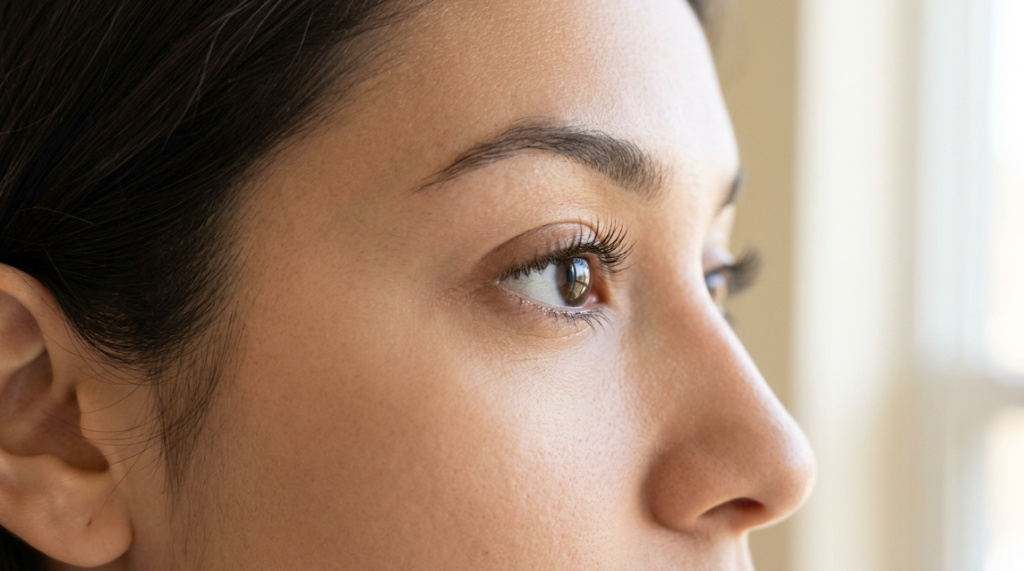
What you eat and how you sleep directly impact hair growth. Lashes grow in cycles, and a healthy body produces stronger, longer hairs.
Nutritional Boosts for Lash Length
- Biotin-rich foods: eggs, almonds, sweet potatoes, and salmon. Biotin is essential for keratin production.
- Silica (sabal serrulata or horsetail extract): Strengthens the hair matrix. Found in leafy greens and cucumbers.
- Vitamin C: Protects hair follicles from oxidative stress. Eat bell peppers, citrus, and strawberries.
- Zinc: Supports follicle repair. Oysters, pumpkin seeds, and chickpeas are good sources.
Sleep Hygiene and Lash Health
Sleeping on your back prevents lashes from being crushed against pillows, which causes breakage. Use a silk pillowcase—cotton creates friction that can weaken lashes over time. Also, avoid rubbing your eyes when you wake up. If your eyes feel dry, use a humidifier in your bedroom.
How to Use Lash Lifts and Extensions Without Irritation
Professional lash lifts and extensions are popular for adding length, but they come with significant risks for sensitive eyes. However, you can minimize those risks with the right technician and proper aftercare.
Lash Lift Safety Checklist
- Choose a salon that uses silicone-based perming rods instead of rubber rods (rubber can cause micro-tears).
- Ask for a patch test of the perm solution and neutralizer at least 24 hours before your appointment.
- Insist on no formaldehyde or thio-free chemicals. Thioglycolates are harsh and can burn.
- Keep your eyes completely closed during the entire process. Even a single tear can mix with the chemicals and cause a chemical burn.
How to Remove Extensions Safely
Never pull or tug extensions off at home. This can rip out your natural lashes and damage the hair follicle permanently. Use a professional remover (oil-based, like pure coconut or fractionated MCT oil) and soak a cotton pad in it. Leave it on your closed eye for 3–4 minutes until the glue dissolves gently.
Which Lash Growth Timeline Should You Expect?
Patience is essential. Even the best, gentlest serums take time to show results. You won’t see dramatic changes overnight—and that’s okay.
Realistic Growth Expectations
- Weeks 1–2: No visible growth, but you may notice less shedding. This is the “activation” phase.
- Weeks 4–6: Lashes appear slightly thicker and darker at the base. You may see 1–2 mm of extra length.
- Weeks 8–12: Full results: 3–5 mm of added length, fuller appearance, less breakage.
Why Consistency Matters More Than Potency
Using a gentle peptide serum daily is far more effective than using a strong prostaglandin serum twice a week and then stopping because of irritation. The irritation-free approach lets you stay consistent, and consistency is what drives results. If you need to switch products because of stinging, your lash cycle resets, and you lose weeks of progress.
For more insights on finding high-quality yet budget-friendly beauty products in New York, check out this guide on longer lashes without irritation—it covers local shops and online brands that specialize in gentle formulations for sensitive skin.
Frequently Asked Questions
Can I use lash growth serum while wearing contact lenses?
Yes, if you choose a serum that is ophthalmologist-tested and safe for contact lens wearers. Apply the serum at night after removing your lenses, and wait 5 minutes before inserting lenses in the morning.
Is it safe to use castor oil on my lashes every night?
Cold-pressed castor oil is generally safe when applied only to the lash tips, not the roots. Avoid getting it into your eyes, as it can cause temporary blurry vision and irritation. Use a clean mascara wand to apply and remove any excess before sleeping.
How do I know if I’m allergic to my mascara or just sensitive?
Sensitivity causes mild burning or watering that stops after removal. An allergy causes swelling, hives on the eyelid, and itching that lasts for hours. If you have swelling, stop using that mascara and switch to a hypoallergenic formula.
Can I get lash extensions if I have very sensitive eyes?
It’s possible, but you must see a technician who specializes in sensitive eyes. They should use low-odor, formaldehyde-free adhesive and apply single lashes rather than fans (which create more weight and glue). A patch test is mandatory.
How long does it take for irritated eyelids to heal?
Most cases of mild irritation heal within 3 to 7 days after stopping the offending product. If you have a persistent allergic reaction, it may take 10 to 14 days. Use cool compresses and avoid all eye makeup during that period.
Are drugstore lash serums just as good as high-end ones?
Drugstore serums can be effective if they contain peptides and avoid prostaglandins. Look for brands like Essence (pink bottle) or LA Girl that offer affordable, gentle options. Read the ingredient list carefully—price alone does not determine safety.
What’s the best way to remove mascara without rubbing my eyes?
Use a bi-phase micellar water (oil and water layers) or an oil-based cleanser. Shake it, apply to a cotton pad, and press it against your lashes for 20 seconds until the mascara dissolves. Then gently pull the pad downward—do not wiggle or rub side to side.




Leave a Reply