
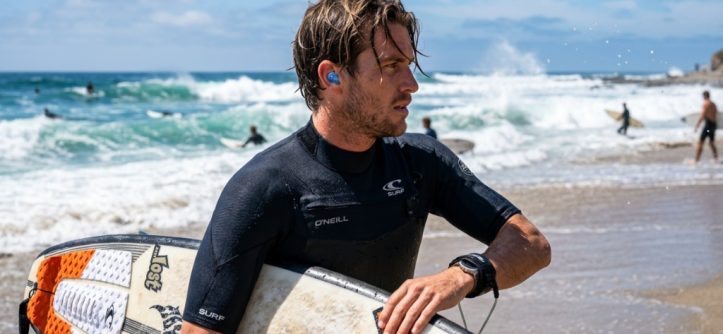
Florida’s warm Atlantic and Gulf waters are a surfer’s playground, but they also harbor a hidden threat: bacteria and fungi that thrive in the balmy conditions. If you’ve ever experienced that dull ache after a session, a feeling of fullness in your ear, or a painful infection that keeps you out of the water for weeks, you know exactly why ear protection matters. The solution isn’t complicated, but choosing the right pair can be. With so many options on the market, you need to understand what actually works in Florida’s specific environment. This guide breaks down everything you need to know to find the best surf ear plugs in florida for your ears, your surfing style, and your budget.
Why Surf Ear Plugs Are Non-Negotiable in Florida
Surfer’s ear, or exostosis, is a condition where bony growths develop in the ear canal due to repeated exposure to cold water and wind. While Florida’s water is warmer than California’s or Australia’s, it’s still cooler than your body temperature. Over years of dawn patrol sessions, that consistent temperature difference triggers the bone growth. Once the growths become large enough, they trap water and debris, leading to chronic infections and hearing loss.
Beyond the long-term bone growth issue, Florida’s subtropical climate creates a breeding ground for bacteria in the water, especially after heavy rains when runoff enters the ocean. This increases your risk of “swimmer’s ear” (otitis externa), a painful infection of the outer ear canal. Surf ear plugs act as a physical barrier, keeping water out and reducing the wind chill effect inside your ear. They aren’t just for winter swells; they are a year-round necessity for anyone who surfs regularly in Florida.
Key Factors to Consider Before Buying
Not all ear plugs are created equal. What works for a swimmer in a pool may fail miserably for a surfer getting pounded by waves. You need to evaluate several factors to find a pair that stays in place and actually protects your ears.
Fit and Comfort for Long Sessions
Your ear canal is unique. A plug that fits your friend perfectly might cause you pain after thirty minutes. Look for plugs that come with multiple size options or are made from a moldable material. Silicone plugs that you roll into a ball and press into your ear offer a custom-like fit. Flanged plugs (those with multiple ridges) are popular because they create a seal without needing to be compressed deep into the canal. Consider how long you typically surf. If you’re out for two-hour sessions, comfort is just as important as protection. A plug that irritates your skin will end up in your car’s glovebox, useless.
Durability and Visibility
Surf gear takes a beating. You’ll be dropping your plugs in the sand, stepping on them in the parking lot, and stuffing them in a wet wetsuit pocket. A flimsy plug will tear or lose its shape quickly. Look for medical-grade silicone that resists degradation from saltwater and UV rays. Visibility is another practical concern. Bright colors like orange, yellow, or pink are much easier to spot on the sand than clear or flesh-toned plugs. Losing a plug mid-trip because you couldn’t find it on the beach is a frustrating and avoidable mistake.
Connection Cords and Leashes
Many surf-specific ear plugs come attached to a small plastic or fabric cord that connects the two plugs together. This is a lifesaver. If one plug gets knocked out by a wave, it will dangle from your neck instead of washing away. Some cords are detachable, allowing you to wear them around your neck when you’re paddling out and only insert them when you’re sitting in the lineup. This is a feature worth paying extra for, as it gives you control over when you need the protection without risking losing a plug.
Comparing Plug Types: Flanged vs. Moldable vs. Custom
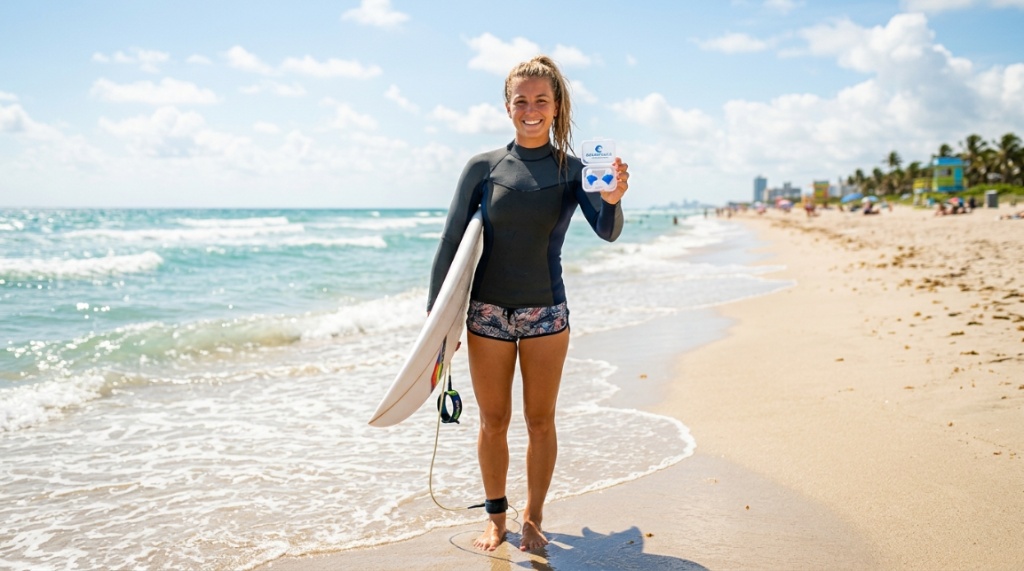
Understanding the physical differences between plug styles will help you narrow down your choices. Each type has distinct pros and cons that affect performance in the surf.
| Type | Best For | Pros | Cons |
|---|---|---|---|
| Flanged (Pre-molded) | Surfers with consistent ear canal sizes | Easy to insert, durable, provides a consistent seal, often comes with a cord | Can cause pressure points if the fit isn’t perfect; may not fit very small or large ear canals |
| Moldable Silicone | Surfers with irregular ear canals or who need a custom fit | Forms to your unique ear shape, comfortable for long wear, blocks water effectively | Can be messy to handle, wears out faster, needs to be replaced more frequently, harder to clean |
| Custom Molded | Serious surfers with chronic ear issues | Perfect fit, most comfortable, highest level of protection, lasts for years | Expensive, requires a visit to an audiologist for an impression, not easily replaceable |
For most recreational surfers in Florida, a high-quality flanged plug is the best balance of cost, durability, and effectiveness. Moldable silicone is a great backup option for travel or if you have a weird ear shape that rejects flanged plugs. Custom molded plugs are the gold standard, but they are a significant investment that is usually reserved for surfers who have already developed surfer’s ear and need maximum protection.
How to Properly Insert and Maintain Your Plugs
Even the best ear plugs will fail if you insert them incorrectly. The most common mistake is not pulling the ear upward and outward to straighten the ear canal before insertion. This creates a kink in the canal, allowing water to sneak past the plug.
To insert a flanged plug correctly:
- Reach one hand over your head and gently pull the top of your ear upward and back.
- With your other hand, insert the plug into the ear canal with a gentle twisting motion.
- Hold it in place for a few seconds until the flanges expand and create a seal.
- You should feel a slight suction, but not pain. If it hurts, you’re pushing too hard or the plug is too large.
After your session, rinse the plugs with fresh water to remove salt and sand. Let them air dry completely before storing them in a hard case. Never use alcohol to clean silicone plugs, as it can dry them out and cause cracking. If you surf frequently, replace your plugs every three to six months, as silicone degrades and loses its flexibility over time.
Common Mistakes to Avoid
Many surfers buy ear plugs, use them once, and then abandon them due to a bad experience. Often, this is due to avoidable errors rather than a flaw in the product itself.
- Buying the wrong size: Assuming one size fits all. Always check the sizing guide and consider a multi-size pack if you’re unsure.
- Ignoring pressure: If you feel a vacuum or pressure in your ear when you push the plug in, you’re creating an air pocket that can rupture your eardrum if you dive deep. Insert them slowly and gently.
- Using them with an ear infection: If you already have an active infection, do not wear ear plugs. You need to let the ear dry out and heal. Wearing plugs will trap bacteria and make the infection worse.
- Forgetting to clean them: Putting dirty, sandy plugs into your ear is a fast track to an infection. Treat them like you treat your contact lenses—clean and dry before each use,Before heading out to catch waves on your next tropical trip, make sure your gear is fully prepared by learning how to Choose a Surfboard Repair Kit for Hawaii.
When to See a Doctor Instead of Buying Plugs
Ear plugs are a preventative measure, not a cure. If you are already experiencing symptoms like persistent itching, discharge, severe pain, or muffled hearing that lasts more than a few days, you need to see a doctor before you consider buying another pair of plugs. Surfing with an active infection is not only painful but can lead to serious complications, including temporary hearing loss and damage to the ear canal.
If you have recurring ear issues, an ENT (ear, nose, and throat) specialist can examine your ear canal for signs of exostosis. They can also recommend the best type of ear protection based on the specific anatomy of your ears. In some cases, they may suggest custom-molded plugs that are designed to accommodate your unique canal shape, which is a far better investment than buying dozens of ill-fitting over-the-counter options.
Frequently Asked Questions
Can I use regular swimming ear plugs for surfing?
Yes, but they are not ideal. Swimming plugs are designed for vertical water pressure in a pool, not the lateral impact of waves. They often get knocked out easily. Surf-specific plugs have a lower profile and often include a connecting cord to prevent loss.
How long do surf ear plugs last?
It depends on the material and how often you use them. Moldable silicone plugs may only last a few weeks with daily use. High-quality flanged silicone plugs can last three to six months before the silicone starts to harden and lose its seal.
Will ear plugs stop me from hearing the waves or my friends?
They will muffle sound, but they won’t make you deaf. You will still be able to hear the roar of a wave breaking and communicate with surfers nearby, though it may sound a bit muffled. This is a trade-off you accept for protecting your ears.
Do I need ear plugs in the summer when the water is warm?
Yes. Even in 80-degree water, the temperature is still lower than your body’s core temperature. The wind and evaporation against the ear canal can also trigger bone growth. Additionally, summer in Florida brings more bacteria runoff, making water blockage protection even more important.
Conclusion
Protecting your ears is just as important as protecting your head or your skin from the sun. The right pair of ear plugs will keep you in the water longer, prevent painful infections, and safeguard your hearing for years to come. Don’t wait until you have a problem to start using them. Assess your ear shape, consider your surfing frequency, and invest in a quality pair that fits comfortably and securely. Whether you choose a simple flanged plug or a custom-molded set, the key is consistency. Make ear plugs a standard part of your surf kit, right next to your wax and leash, and your future self will thank you.



Leave a Reply