
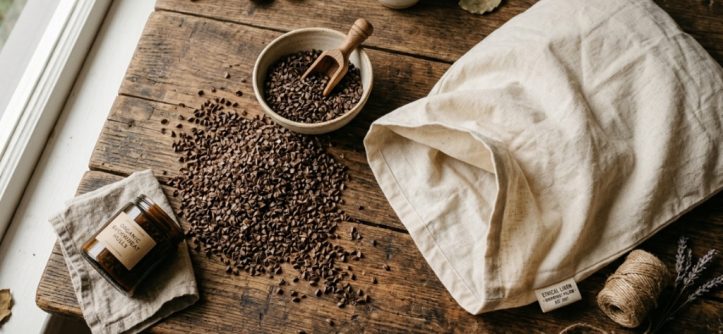
If you’re a side sleeper who constantly wakes up with a stiff neck, or someone who feels like your pillow turns into a warm, flat pancake by 2 a.m., you’ve likely searched for a better solution. Buckwheat pillows offer firm, moldable support that many find life-changing. But in a state as diverse as California—where temperature fluctuations, humidity levels, and personal preferences vary from the coast to the desert—choosing the right one requires more than just picking the first bag you see. Finding the perfect organic buckwheat pillow in California means knowing what fill quality matters, how to size it for your body, and what to expect during the adjustment period. This guide walks you through exactly what to look for, what to avoid, and how to make a choice that supports your sleep for years to come.
Key Takeaways
- Organic certification matters: Look for USDA Certified Organic buckwheat hulls to avoid pesticide residues and ensure cleaner air quality while you sleep.
- Size and fill weight matter more than brand: The right pillow height depends on your sleeping position, shoulder width, and mattress firmness—not just the pillow’s printed dimensions.
- Expect a 1–2 week adjustment period: The firm, structured feel of buckwheat is a shock to the system for most people, so don’t judge it on the first night.
- California’s climate affects the experience: Coastal humidity can make hulls feel slightly damp, while inland dryness keeps them crisp—a zippered cover helps you manage fill levels and airflow.
- A zipper isn’t a luxury—it’s essential: You must be able to remove or add hulls to tailor the loft precisely to your body and sleeping position.
Why an Organic Buckwheat Pillow in California is Worth the Investment
Buckwheat pillows are nothing new—they’ve been used in Japan for centuries—but they are having a serious moment in the modern sleep market. The reason is simple: unlike memory foam or polyester, buckwheat hulls provide dynamic support. They move and shift to cradle your head and neck, yet they remain firm enough to keep your spine aligned. This makes them a favorite among chiropractors and physical therapists for treating neck pain and poor sleep posture.
Choosing an organic buckwheat pillow in California adds another layer of consideration. Organic hulls are grown without synthetic pesticides or fertilizers. For a pillow that sits inches from your face for eight hours a night, that difference is significant—especially for people with allergies, chemical sensitivities, or just a preference for cleaner products. California has strict environmental standards, and many shoppers here specifically seek out organic options to align with their broader wellness and sustainability values.
What “Organic” Actually Means for Buckwheat Hulls
When you see “organic buckwheat,” it should refer to the farming practices used to grow the buckwheat plant. Look for the USDA Organic seal or certification from a recognized body like CCOF (California Certified Organic Farmers). This certification ensures that the hulls were grown without synthetic pesticides, herbicides, or genetically modified seeds. It’s a higher standard than simply saying “natural” or “eco-friendly”—terms that have no legal definition and can mean anything.
Keep in mind that organic certification applies to the buckwheat itself, not necessarily the cover fabric. Some brands use organic cotton covers, which is a nice bonus, but the hulls are the primary concern. A pillow with organic hulls and a standard cotton cover can still be an excellent, healthy choice.
How to Choose the Right Size and Fill for Your Body
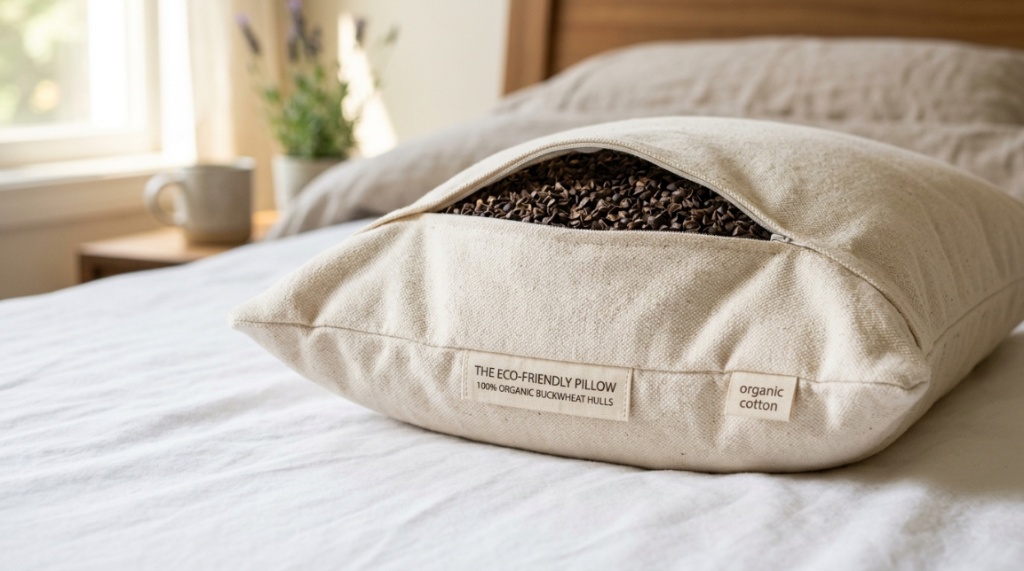
This is where most people make their biggest mistake. They buy a standard-size buckwheat pillow, take it home, and find it feels like a brick. The problem isn’t the pillow—it’s the fill volume. The ideal pillow height varies significantly based on your body type and sleep position.
Your goal is to keep your head and neck in a neutral position—imagine a straight line from your shoulders to your ears. The distance between your ear and the outside of your shoulder determines how much loft you need. A good rule of thumb:
- Side sleepers: Need a taller pillow (typically 4–6 inches of loft) to fill the gap between the ear and shoulder.
- Back sleepers: Need a thinner pillow (3–4 inches) to avoid pushing the head too far forward.
- Stomach sleepers: Need the thinnest pillow (2–3 inches) or possibly no pillow at all.
Your mattress firmness also plays a role. On a firm mattress, your shoulder sinks less, so you may need a slightly taller pillow. On a plush mattress, your shoulder sinks more, requiring less loft. This is why a pillow with a zippered cover is non-negotiable—you need the ability to remove hulls until you find your perfect height.
Weight and Density Considerations
Buckwheat pillows are heavy. A standard-size pillow can weigh 5–7 pounds, and a king-size can push 10 pounds. That density is what makes the pillow stay in place all night—you won’t find yourself punching it back into shape at 3 a.m. But it also means the pillow won’t mold instantly like memory foam. You have to shape it manually by pushing the hulls around to create a well for your head.
If you’re used to a soft, plush pillow, the firmness of buckwheat will be a shock. That’s why we recommend starting with a pillow that has slightly less fill than you think you need. You can always add more hulls back in (if you keep the extras), but removing and replacing hulls is more cumbersome.
Shopping for an Organic Buckwheat Pillow in California: What to Look For
Not all buckwheat pillows are created equal, and the market has some significant quality differences. Here’s what separates a great pillow from one that will end up in the closet after a week.
Check the Hull Processing Method
The way buckwheat hulls are processed affects both durability and comfort. Look for pillows that use “whole, steam-cleaned hulls.” This process removes dust and debris while keeping the hulls intact. Lower-quality pillows may contain dust, broken hulls, or even fillers like rice or millet mixed in. These break down faster and can cause a gritty feel.
Some brands clean their hulls multiple times to remove nearly all dust. This is especially important for allergy sufferers. If you’re sensitive to dust or mold, look for a pillow that specifically mentions multiple cleaning passes or third-party dust testing.
Cover Fabric Quality
Since the hulls are noisy and abrasive over time, the cover fabric needs to be durable. Look for a tightly woven cotton, ideally with a high thread count (300+). Bamboo-cotton blends are also popular because they’re breathable and soft. The cover should have a sturdy zipper—this is the most common point of failure on these pillows. Check customer reviews for complaints about zipper quality before you buy.
Consider the Weight Limits and Filling Aids
Some premium pillows come with a “fill kit” or a separate bag of extra hulls. This is a thoughtful touch because it gives you the freedom to adjust without having to buy more hulls separately. Either way, make sure you have a way to store any removed hulls—a ziplock bag or small cloth sack works fine.
The Real-World Experience: What to Expect and Common Mistakes
Switching to buckwheat is a significant change. Here’s an honest look at what the first few weeks are like, plus the mistakes that cause people to give up too soon.
The Adjustment Period Is Real
Expect the first few nights to feel strange. The pillow is firm and unyielding, and it might feel like you’re sleeping on a bag of sand. This is normal. Your neck and shoulders have been compensating for an unsupportive pillow for years. It takes time—usually 7 to 14 days—for your muscles to relax into the new support. Many people report waking up with slightly sore neck muscles during the first week as they adjust to the new alignment. This usually subsides quickly.
Mistake: Not Adjusting the Fill
People often try a buckwheat pillow for one night, decide it’s too high, and give up. Instead, open the zipper and remove a cup or two of hulls. Sleep on it again. If it still feels too high, remove another cup. This iterative process is essential. You’re not looking for the pillow to feel “perfect” out of the box; you’re looking for a pillow you can adjust to feel perfect for you.
Mistake: Expecting a “Soft” Pillow
Buckwheat is firm. If you love sinking into a soft, plush pillow, this is not the product for you. Even with minimal fill, buckwheat will never feel like down or memory foam. Its benefit is support, not softness. If you’re looking for a hybrid approach, you can layer a thin, soft topper over a buckwheat pillow, but that somewhat defeats the purpose of the firm base.
Another overlooked factor is temperature. Buckwheat hulls are hollow, which allows for excellent airflow. They do not trap body heat like foam does. In Southern California’s warmer climate, this breathability is a huge plus. In cooler, coastal areas, the pillow can feel cold at first touch but warms up quickly with body heat.
Cost, Maintenance, and Longevity: What’s the Real Investment?
A quality organic buckwheat pillow will cost more upfront than a standard foam or polyester pillow. Expect to pay anywhere from $60 to $120 for a well-made, certified organic version. That price seems steep, but consider the lifespan. While a synthetic pillow may need replacing every 1–2 years, a buckwheat pillow can last 5 to 10 years or more with proper care.
Caring for a buckwheat pillow is straightforward:
- The cover: Unzip and wash the cover regularly (every 2–4 weeks) in cold water and air dry.
- The hulls: Do not wash the hulls. Instead, pour them into a large bowl or tray and let them air out in direct sunlight for a few hours a few times per year. This helps remove moisture and keep them fresh.
- The smell: New buckwheat hulls have a mild, earthy scent. It’s pleasant for some and noticeable for others. It dissipates within a week or two of use.
The best way to gauge the long-term value is to consider the cost per year. A $10 pillow is a good deal if it lasts six months, but that’s $20 per year. An $80 buckwheat pillow that lasts eight years costs the same per year—and gives you better sleep and less waste.
Organic vs. Conventional: How to Decide for Your Needs
If you’re on a tight budget, you might be tempted to go with a conventional (non-organic) buckwheat pillow. This is a valid consideration. There’s no denying that the organic label adds a premium to the price. How do you decide if it matters for you?
Choose the organic version if:
- You have chemical sensitivities or allergies
- You prioritize sustainability and support farms that avoid synthetic inputs
- You plan to sleep on it for the next 5–10 years, so the per-year cost difference is minimal
- You care about knowing exactly what’s in the product you put next to your face
The conventional version may be perfectly fine if you’re simply looking for the structural benefits of buckwheat and aren’t as concerned with the farming practices. Both do the basic job. However, once you learn about the potential pesticide residues on conventionally grown crops, many people find the peace of mind of organic worth the extra cost. It’s a personal decision, but one worth making consciously.
Frequently Asked Questions
How long do organic buckwheat pillows last?
With proper care, a quality buckwheat pillow will last 5 to 10 years or more. The hulls break down slowly over time, and you can periodically add fresh hulls to extend the life of the pillow. The cover is the part that wears out first—that’s why a quality zipper is important.
Will a buckwheat pillow help with neck pain?
Many users report significant relief from chronic neck pain after switching to buckwheat. The firm, moldable support keeps your cervical spine in a neutral alignment. However, it’s not a medical device. If you have a serious spinal condition or persistent pain, consult a healthcare professional before making a switch.
Is a buckwheat pillow noisy?
Yes, there is a slight rustling sound when you move your head—similar to the sound of rice in a small container. It’s not loud and usually fades into background noise as you fall asleep. Some people find it bothersome for the first few nights, but most quickly get used to it. The noise is less noticeable with a thicker, denser cover fabric.
Can I wash the buckwheat hulls themselves?
No. You should never wash the hulls directly, as they absorb moisture and can mold or mildew. Instead, wash the cover regularly and periodically spread the hulls out in a dry, sunny spot to air them out for a few hours. This keeps them dry and fresh.
What size buckwheat pillow should I buy?
Buy a pillow that fits your bed and sleeping position. A standard size (20×26 inches) is the most common and generally sufficient for most sleepers. King size (20×36 inches) is better if you toss and turn a lot or want more surface area. The loft and fill volume matter more than the outer dimensions.
Conclusion
Choosing the right organic buckwheat pillow in California comes down to understanding your own body, being patient with the adjustment period, and refusing to settle for a pillow that doesn’t allow for customization. Prioritize pillows with certified organic hulls, a durable zippered cover, and processing that includes thorough cleaning. Remember that size is secondary to fill volume—you should be able to adjust the loft to match your shoulder width and sleep position. The firm, solid support that feels strange on day one often becomes the deepest, most restorative sleep you’ve had in years by week three. Take your time, adjust the fill properly, and you’ll find that the right buckwheat pillow isn’t just a purchase—it’s an investment in better daily posture, fewer aches, and a much better morning feeling. If you’re ready to compare top-rated options tailored to different sleep styles, check out the curated list of best buckwheat pillows in California to start your search with confidence.




Leave a Reply